Napa vs Sonoma for Wine Tasting: Which Valley Should You Tour?
The two valleys are 14 miles apart but worlds apart in price, pace, and wine style. Here is what the 2025-2026 numbers actually say about touring Napa versus Sonoma.
Short answer
Downtown Sonoma to downtown Napa is about 14 miles, or 20-24 minutes, so both valleys are easy to combine. Sonoma's median basic tasting fee held near $40 (checked September 2026) while Napa's rose 15% to a median of $75, and Napa's average lodging rate ran roughly double Sonoma's. Sonoma suits value and variety; Napa suits marquee estates.
Napa and Sonoma sit close enough that visitors routinely ask whether they have to choose at all. Downtown Sonoma to downtown Napa is roughly 14 miles, a 20-24 minute drive on a good day, which is why so many itineraries blur the two into a single "wine country" trip. Yet the valleys diverge sharply once you look at the bill. Sonoma County's median basic tasting fee held near $40 (checked September 2026) in 2025 while Napa's rose 15% to a median of $75, and Napa County's average daily hotel rate has run roughly double Sonoma's in recent lodging data. This guide lays out the real comparison, drive times, fees, wine styles, and tour formats, so you can decide which valley deserves your day (or whether you should just book something that covers both, like the options we track on Sonoma Wine Tours).
Napa or Sonoma: which is better for a wine tour?
Neither valley is objectively better; the right choice depends on budget and mood. Sonoma offers 19 AVAs, more than 425 wineries, median tasting fees near $40, (checked September 2026) and a relaxed pace, while Napa concentrates marquee estates, higher fees (median $75), roughly double the lodging cost, and a more polished, reservation-driven scene.
The honest framing is that Napa and Sonoma sell different versions of wine country. Napa Valley is compact and intensely curated: famous estates, architectural showpiece wineries, and a tourism machine built around scheduled, often pricey experiences. Sonoma County is nearly twice the size of Napa County by land area, spreads across 19 distinct AVAs, and leans looser, with family-run tasting rooms, farm towns, and a wider spread of grape varieties, around 60 commercially significant ones by some counts versus Napa's narrower Cabernet-centered focus.
Traveler sentiment tracked in recent forum threads and articles consistently lands on the same split: Napa reads as more expensive, busier, and more exclusive; Sonoma reads as more relaxed and better value with comparable wine quality and scenery. That is a generalization, and there are $60 (checked September 2026) tasting fees in Sonoma and $30 tastings in Napa, but the pattern holds often enough to plan around. If your mental image of wine country involves a castle winery and a long lunch, Napa delivers it. If your image involves a backroad barn, a picnic, and a winemaker pouring their own wine, Sonoma is the stronger bet.
The comparison also depends on where you are starting from. Sonoma Plaza is about 44-45 miles from San Francisco, typically a 55-60 minute drive, while Napa is similarly reachable via the East Bay. If you are coming up for a single day from the city, both are viable; the question is what you want once you arrive. Our wine tours from San Francisco to Sonoma guide covers the day-trip logistics in detail.
How far apart are Napa and Sonoma, really?
Downtown Sonoma (Sonoma Plaza) to downtown Napa is approximately 14-14.3 miles via CA-12/Napa Road, with a typical drive time of 20-24 minutes. Sonoma to Healdsburg, at the north end of Sonoma County, is a different story: about 45 miles and 54-55 minutes.
The short answer surprises people who assume the valleys require separate trips. The 14-mile connector between the two downtowns is quick outside peak periods, and one driving guide explicitly calls the route workable for visitors wanting to sample both regions in a single day. That said, "Napa" and "Sonoma" each cover far more ground than their anchor towns. Sonoma County spans roughly 1,576 square miles, and crossing it end to end, say Sonoma Plaza up to Healdsburg, takes the better part of an hour. Napa Valley is far more compressed, which is part of why it feels denser with scheduled experiences.
Distances matter most when you are choosing where to stay and how many wineries to attempt. A useful rule from experienced visitors is to focus on one sub-region per day rather than zigzagging; Sonoma's winding roads eat time in ways the map does not show. Our Sonoma Valley vs Sonoma County guide untangles the county's internal geography if the naming has you confused.
| Route | Distance | Typical drive time |
|---|---|---|
| Sonoma Plaza to downtown Napa | ~14-14.3 miles | 20-24 minutes |
| Sonoma to Healdsburg | ~45 miles | 54-55 minutes |
| Sonoma to Santa Rosa | ~22 miles | 37-42 minutes |
| San Francisco to Sonoma Plaza | ~44-45 miles | 55-60 minutes |
Because the two downtowns are so close, a combined day is genuinely realistic for travelers who prioritize efficiency over depth. The tradeoff is that you will likely get two or three tastings in each valley at most, with real driving in between, which is exactly the scenario where a guided tour earns its keep. If you are weighing that option, these three formats cover the main ways to do a Napa-Sonoma day:
What do tastings and lodging actually cost in each valley?
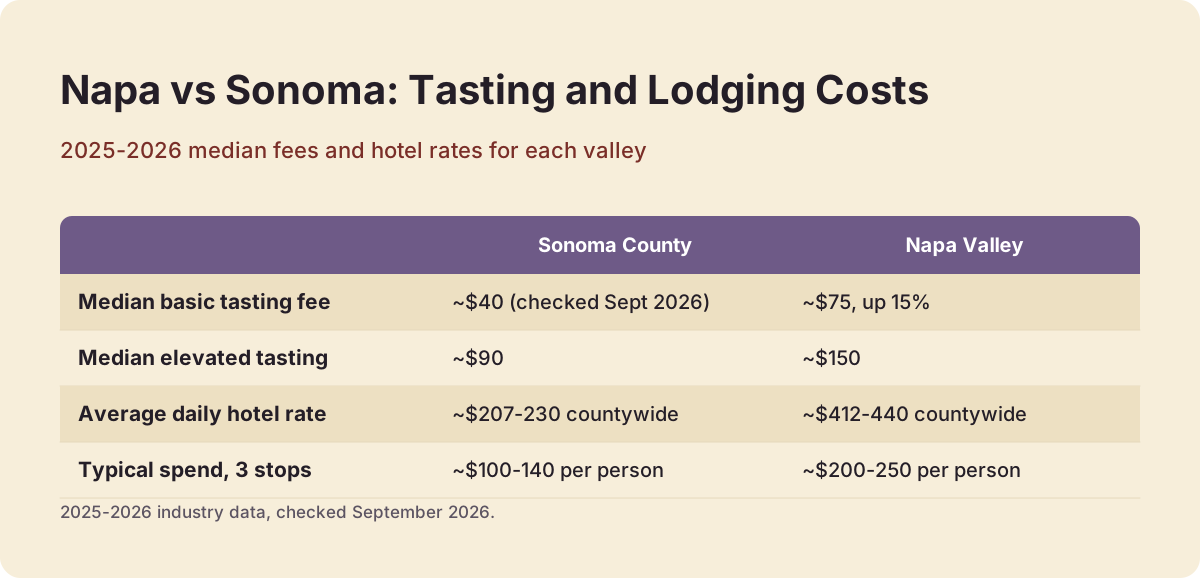
In 2025-2026 data, Sonoma County's median basic tasting fee held near $40 (checked September 2026) (an average around $47 in one industry report), while Napa's basic fees rose 15% to a median of $75. Napa County's average daily hotel rate ran roughly $412-440 against Sonoma County's roughly $207-230, close to double.
The fee gap is the single most concrete difference between the valleys, and it compounds over a day. Three basic tastings in Sonoma at the median run about $120 per person (checked September 2026) before tax and tip; the same three in Napa cost nearly double that. Elevated experiences diverge even more sharply: Sonoma's premium tastings hit a median around $90 (a 44% increase year over year), while Napa's reached a median of $150. These figures come from Wine Business Monthly's 2026 Tasting Room Survey and related industry reporting (checked September 2026).
| Cost line | Sonoma County | Napa Valley |
|---|---|---|
| Median basic tasting fee | ~$40 (checked September 2026) | ~$75, up 15% (checked September 2026) |
| Median elevated tasting | ~$90 (checked September 2026) | ~$150 (checked September 2026) |
| Average daily hotel rate | ~$207-230 countywide (checked September 2026) | ~$412-440 countywide (checked September 2026) |
| Typical daily tasting spend, 3 stops | ~$100-140 per person | ~$200-250 per person |
There is nuance behind the numbers. Sonoma's tasting room traffic fell 8% in 2025, an improvement over the 14% drop in 2024, and roughly 30% of wineries in one survey actually lowered their standard fee, with the Sonoma average dropping $7 (checked September 2026) to about $47. Napa's traffic fell harder, 18% in the same period, yet its baseline fees still climbed. The practical takeaway: walk-in-friendly, moderately priced tastings are easier to find in Sonoma right now, while Napa increasingly rewards booking ahead and budgeting up. The Press Democrat's coverage of the 2026 tasting room survey has the county-level detail.
Lodging follows the same pattern. Sonoma County has more total rooms (around 8,300 versus Napa's roughly 5,400) and materially lower average rates, though wine-country submarkets like Healdsburg run well above the county average, with short-term rental medians around $572 (checked September 2026) in late 2025 data. If you want to stretch a budget, basing yourself in Sonoma and day-tripping into Napa is a common and sensible play. Our average cost of a wine tasting post breaks the fee math down further.
How do the wines and regions differ?
Sonoma County spans 19 AVAs and roughly 60 grape varieties, from Russian River Pinot Noir to Dry Creek Zinfandel and Alexander Valley Cabernet, while Napa Valley's 16 AVAs concentrate on Cabernet Sauvignon, Chardonnay, and Bordeaux-style blends. Sonoma is about breadth; Napa is about depth in a narrower style.
Sonoma's size is its defining wine characteristic. The county runs from the cool Petaluma Gap and Sonoma Coast in the south to the warm Alexander Valley in the north, and that range is why one county can produce credible versions of Pinot Noir, Zinfandel, Cabernet, Chardonnay, Syrah, and more. Healdsburg, at the county's northern hub, sits at the literal intersection of three major AVAs: Russian River Valley for cool-climate Pinot and Chardonnay, Dry Creek Valley for Zinfandel, and Alexander Valley for Cabernet. Napa's smaller area and more uniform climate push it toward the styles it is famous for, and its estates have built global reputations on that focus.
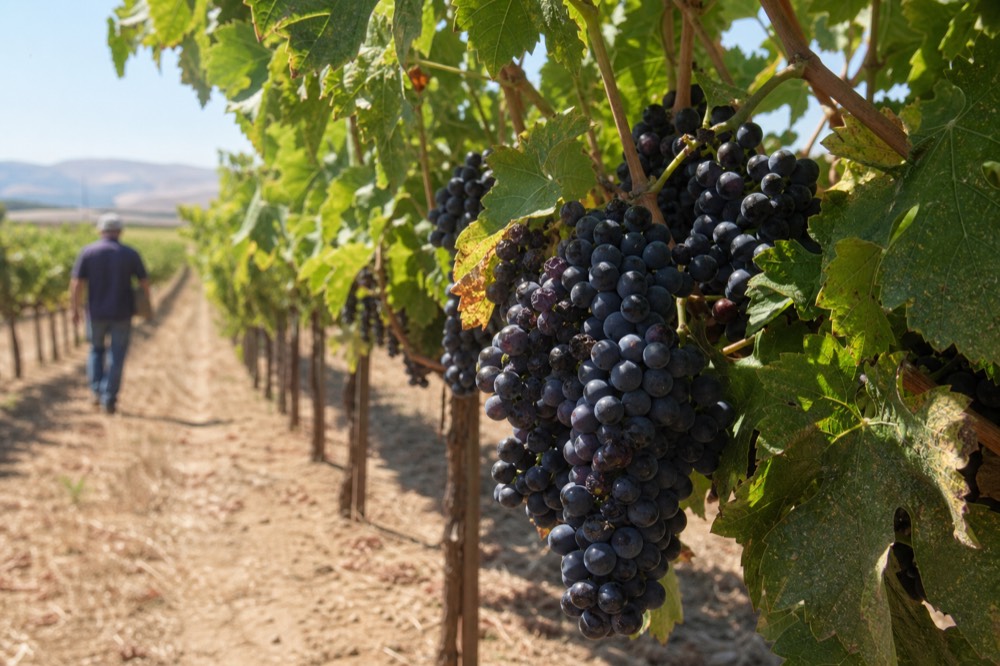
For a tour-goer, the difference shows up in the tasting room experience. Napa's marquee names often pour by appointment in designed spaces, with fees that frequently credit toward purchase. Sonoma's strengths include historic estates like Buena Vista, one of California's oldest wineries, family operations like A. Rafanelli in Dry Creek Valley, which has stayed essentially unchanged for decades, and a deep bench of small producers. The San Francisco Chronicle's updated 2026 list of top Sonoma County wineries added names like Skipstone, Hamel, Arnot-Roberts, and Marietta, whose tasting room occupies a former police station. Sonoma County Tourism maintains a good overview of award-winning wineries if you want to browse before booking.
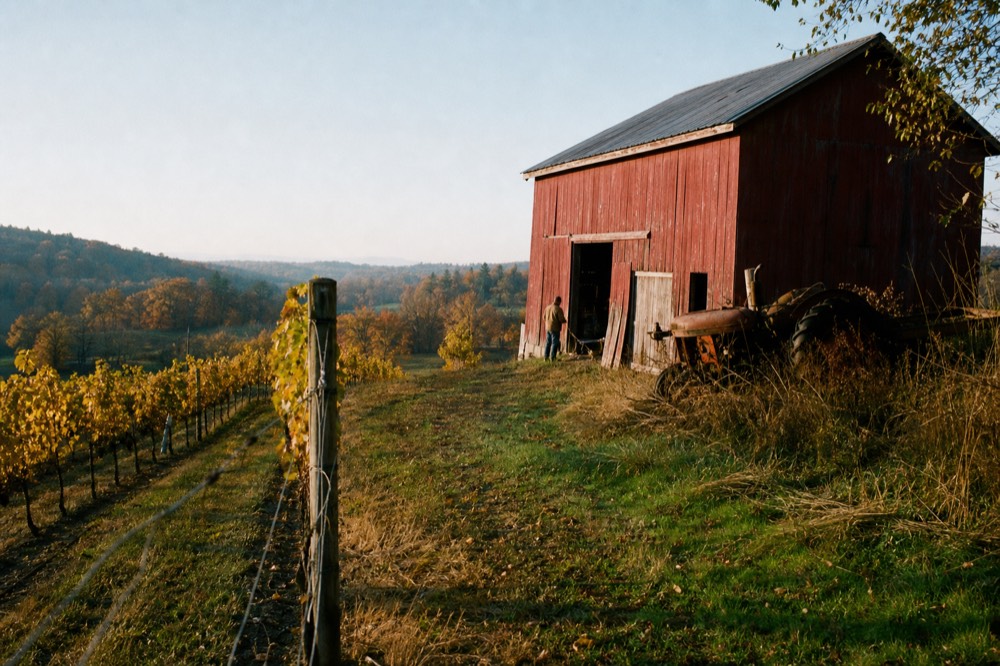
Style preference is a fair tiebreaker if cost is not. If your heart is set on benchmark Cabernet and the iconic-estate experience, Napa justifies its premium for many visitors. If you want to taste across a dozen grape varieties in a day without exhausting your budget, Sonoma's spread is hard to beat.
Which tour formats work best in each valley?
Sonoma favors small-group join-in tours, open-air trolleys, and e-bike tours on quiet backroads, with per-person prices from about $148-219 (checked September 2026); Napa leans toward private chauffeured charters and premium guided experiences, often at higher per-person cost. Both valleys support private full-day tours, typically from $449 per group for an XL SUV concierge format.
The format question is where the valleys' personalities show up in the booking listings. Sonoma's tour scene is built around accessible group experiences: the Sonoma Valley Wine Trolley runs an open-air replica cable car from Sonoma Plaza for roughly 6.5 hours, rated 4.6 across 876 reviews, with lunch included and tasting fees extra (price on the listing). Join-in van tours visit three wineries with hotel pickup, from about $147.99-148 per person (checked September 2026). Healdsburg anchors an e-bike scene through Dry Creek Valley, with guided tours from $189-219 per person (checked September 2026).
| Format | Typical valley | Price basis | Notes |
|---|---|---|---|
| Join-in group van tour | Sonoma | From $147.99-148 per person (checked September 2026) | 3 wineries, transport and pickup included, tasting fees extra |
| Open-air trolley tour | Sonoma | See live price | ~6.5 hours, lunch included, tasting fees extra, 21+ |
| E-bike wine tour | Sonoma (Healdsburg) | From $189-219 per person (checked September 2026) | 2-3 winery stops, guided, quiet backroads |
| Private XL SUV full-day tour | Either | From $449 per group (checked September 2026) | ~8 hours, customer chooses Napa or Sonoma routing |
| Private limo/luxury charter | Napa-leaning | ~$390-800+ per group (checked September 2026) | Duration and vehicle dependent, tasting fees usually extra |
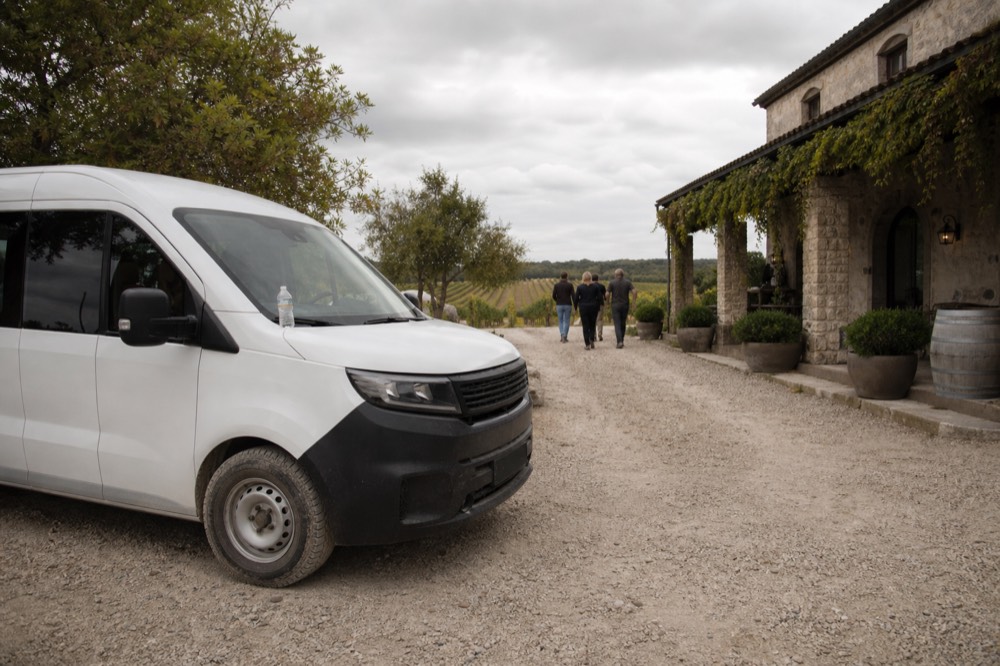
Napa's listings skew private and polished: limousine and luxury SUV charters, estate-focused guided tours, and the Napa Valley Wine Train, a dining experience with no Sonoma equivalent. The 8-Hour Private Sonoma or Napa Wine Tour with a concierge XL SUV is a strong example of the format that works in either valley: rated 4.9 across 144 reviews, from $449 per group, with the customer choosing Napa or Sonoma routing (checked September 2026).
For travelers who want the private experience but with a fully custom route, the Napa and Sonoma Private Wine Tour with Custom Itineraries lets you build the day winery by winery in an XL SUV; it is rated in the 4.5-4.7 range across roughly 50 reviews (checked September 2026), with pricing on the listing. That format suits return visitors who already know which producers they want.
If the private price is more than your group wants to spend, the join-in format is the value play, especially in Sonoma. The Sonoma County Join-In Group Wine Tasting Tour visits three wineries with transport and hotel pickup in Sonoma or Santa Rosa included, from $147.99 per person, and carries the strongest-verified rating in the local lineup at 4.9 across 160 reviews (checked September 2026). Tasting fees are extra, so budget for those using the fee table above.
Can you tour Napa and Sonoma in one day?
Yes. With only about 14 miles and 20-24 minutes between the downtowns, a one-day combined tour is realistic, especially with a private driver. Expect two to three wineries per valley at most, and accept that you will skim rather than savor either region.
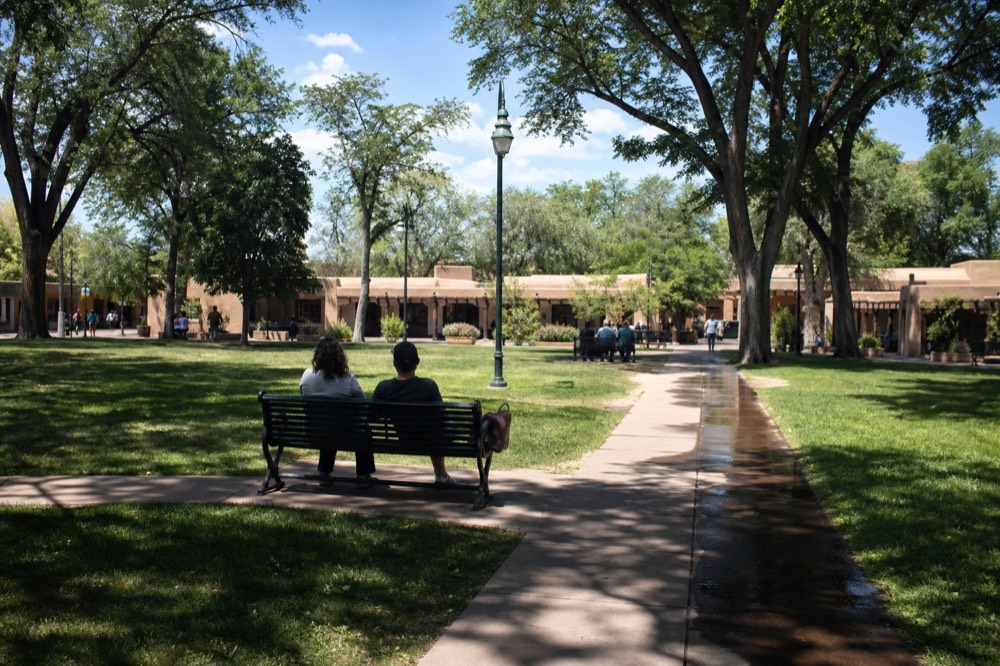
The combined day works best with a chauffeured format, because the whole point is removing the driving, parking, and route-planning friction. A private full-day tour of roughly eight hours gives you time for a morning in one valley, the short connector drive over the Mayacamas foothills, and an afternoon in the other, with a lunch stop somewhere in between. Sonoma Plaza itself, a National Historic Landmark lined with tasting rooms, makes a convenient midday base because you can walk to multiple pours without moving the vehicle.
What a combined day sacrifices is depth. Experienced wine-country visitors consistently advise two to three wineries per day as the sweet spot; more than that and you are checking a clock instead of asking questions. Splitting a day across two valleys effectively halves your time in each, so go in with that expectation. If you have two days available, the better structure is one day per valley, sleeping on the Sonoma side where lodging runs cheaper. Our self-guided vs booked Sonoma wine tours comparison can help you decide whether a guided day beats a DIY plan for your group.
Which valley should a first-time visitor choose?
First-timers on a budget or wanting variety should choose Sonoma: lower median tasting fees, more walkable town tasting rooms, and 19 AVAs of range. First-timers chasing the iconic wine-country image, benchmark Cabernet, and showpiece estates should choose Napa and pay the premium. Groups of four or more often do best with a private tour covering both.
Budget is the cleanest decision axis. Using the medians, a couple doing three tastings and one night in Napa spends roughly $300 (checked September 2026) more than the same day in Sonoma before dinner, and the lodging gap can double that difference. That money buys real things in Napa, name recognition, polished hospitality, and famous views, but it is a genuine premium, not a rounding error.
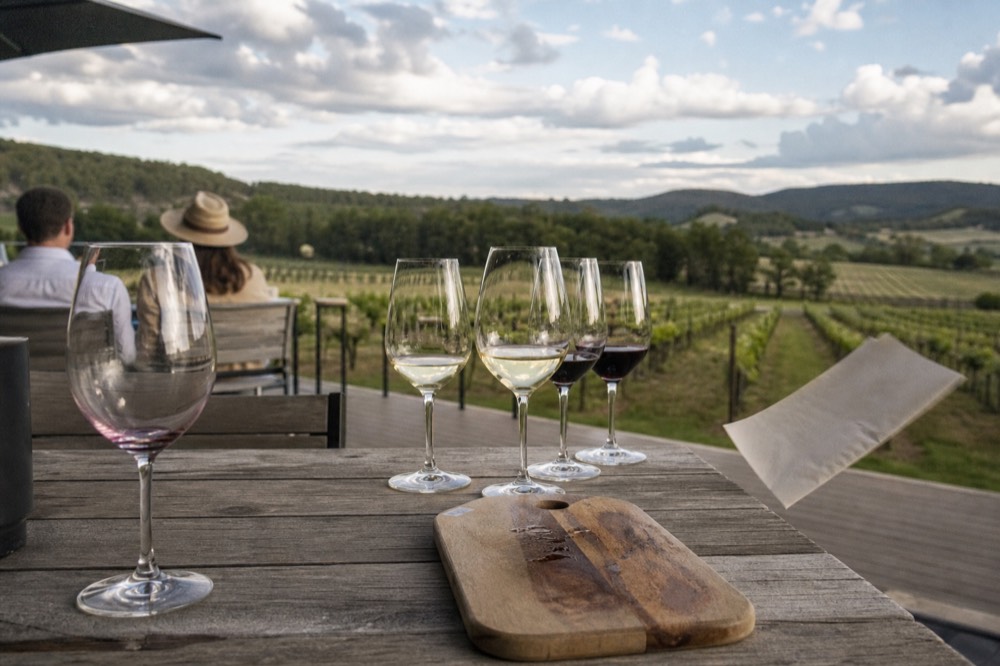
Pace and crowds are the second axis. Napa's tasting rooms increasingly run on reservations and can feel transactional when busy; Sonoma's smaller producers, especially midweek, still welcome walk-ins and unhurried conversation. Sonoma's towns also reward lingering: Healdsburg has been named among the best small cities in the country by Condé Nast Traveler readers, and the town of Sonoma itself landed on a WorldAtlas list of Northern California's most adorable small towns. Neither valley is quiet on a harvest Saturday, but Sonoma absorbs crowds across a larger area.
Finally, consider who is in your group. Mixed groups where some care about wine and some do not tend to be happier in Sonoma, where farms, redwoods, the coast, and towns like Petaluma offer non-wine diversions. Dedicated wine groups with a Cabernet focus will find Napa's concentrated lineup more satisfying. And if your group cannot agree, the 14-mile connector is the compromise: book a private day that does a morning in one valley and an afternoon in the other.
Whichever way you lean, these three formats are the ones we would shortlist for a Napa-Sonoma decision:
Sonoma wins on cost and variety, Napa wins on polish and prestige, the two downtowns are only 14 miles apart, and a private full-day tour is the cleanest way to cover both valleys in a single trip.
Common questions about touring Napa versus Sonoma
Is it better to tour Napa or Sonoma?
Sonoma is better for value, variety, and a relaxed pace: median basic tasting fees near $40 (checked September 2026) versus Napa's $75, 19 AVAs, and lower lodging costs. Napa is better for marquee estates, benchmark Cabernet, and a polished, iconic wine-country experience. Groups of four or more can cover both with a private full-day tour.
How far apart are Sonoma and Napa?
Downtown Sonoma (Sonoma Plaza) to downtown Napa is approximately 14-14.3 miles via CA-12/Napa Road, typically a 20-24 minute drive. Sonoma to Healdsburg, at the north end of Sonoma County, is about 45 miles and 54-55 minutes.
Can you do Napa and Sonoma in one day?
Yes. The short 14-mile drive between downtowns makes a combined day realistic, especially with a private driver. Expect two to three wineries per valley at most, so treat it as a sampler rather than a deep dive.
Is it cheaper to stay in Napa or Sonoma?
Sonoma is significantly cheaper. Napa County's average daily hotel rate has run roughly $412-440 (checked September 2026) in recent data, against roughly $207-230 for Sonoma County, close to double. Healdsburg and other wine-country submarkets run higher than the Sonoma countywide average.
Which has better wine, Napa or Sonoma?
Neither is objectively better. Napa concentrates on Cabernet Sauvignon, Chardonnay, and Bordeaux-style blends with global reputations. Sonoma spans 19 AVAs and roughly 60 varieties, from Russian River Pinot Noir to Dry Creek Zinfandel, offering more range per day of tasting.
Are wine tours worth it in Napa and Sonoma?
Guided tours are widely rated worth it for first-timers and anyone who does not want to drive between tastings, with local listings rating 4.5-4.9 out of 5 (checked September 2026). They cost more than a DIY day but remove DUI risk, route-planning, and reservation headaches. Repeat visitors familiar with the area often self-guide successfully.