Free Things to Do in Sonoma: Plaza, Parks, Markets and More
Sonoma has a real set of free attractions: a National Historic Landmark plaza, free historic-park grounds, weekly markets and public gardens, plus drives that cost nothing but fuel. Here is what is actually free, what is not, and how to fold both into one trip.
Short answer
The genuinely free things to do in Sonoma center on Sonoma Plaza, a free public National Historic Landmark, plus the free exterior grounds of Sonoma State Historic Park, the Tuesday Night Market (May to September), the year-round Friday farmers market, and Sonoma Garden Park. Scenic drives through Sonoma Valley and over to the coast cost nothing. Wine tastings are not free: the median basic tasting in Sonoma County runs about $40 (checked September 2026).
Free Things to Do in Sonoma: Plaza, Parks, Markets and More
Sonoma County draws roughly 2.1 million visitors a year, and Sonoma County Tourism reports $2.4 billion (checked September 2026) in total visitor spending from 2025. Not every dollar of that goes to tasting rooms. The town of Sonoma itself sits around one of the most generous free attractions in California wine country: an eight-acre National Historic Landmark plaza that costs nothing to enter, surrounded by more than two dozen tasting rooms, shops and restaurants you can browse without spending a cent.
This guide separates what is genuinely free from what only sounds free. Tasting rooms charge, and the median basic tasting fee in Sonoma County held around $40 in 2025 (checked September 2026). But the plaza, the historic park's exterior grounds, two weekly markets, a community garden and some of the best scenery in Northern California all cost nothing. We will also show where a paid tour earns its keep once you decide you want the wine part of wine country.
What can you actually do in Sonoma for free?
The core free attractions in Sonoma are Sonoma Plaza, the free exterior grounds of Sonoma State Historic Park, the Tuesday Night Market (May through September), the year-round Friday morning farmers market, and Sonoma Garden Park, with free scenic drives through Sonoma Valley and toward the coast rounding out the list.
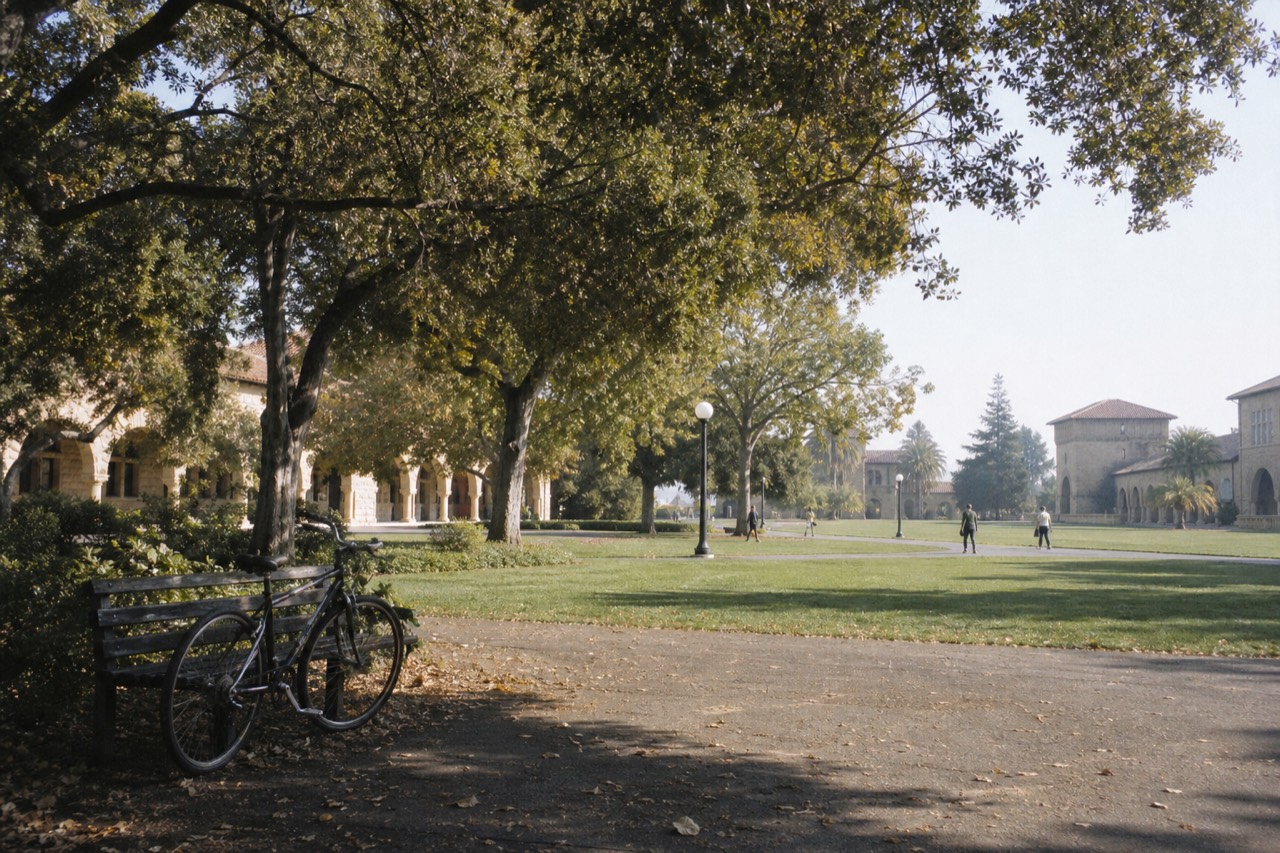
That is a full day or more of activity before a single tasting fee. The plaza alone is the largest plaza of its kind in California, a green square lined with historic structures, benches, shade trees and, depending on the season, events. Around it, more than two dozen tasting rooms and wine bars cluster within easy walking distance, so window-shopping the wine scene is free even when drinking it is not.
The distinction that matters for planning: free things in Sonoma are mostly outdoors, historic or agricultural. Anything involving a pour, a seated experience or a guide carries a fee. The table below gives the honest split up front.
| Free activity | What you get | Best time |
|---|---|---|
| Sonoma Plaza | Historic square, National Historic Landmark, benches and green space | Any day, mornings are quietest |
| Sonoma State Historic Park exterior grounds | Historic buildings and grounds visible without an admission charge | Daylight hours |
| Tuesday Night Market | Produce, artisans, live music, food trucks (May to September) | Tuesday evenings |
| Sonoma Valley Certified Farmers Market | Year-round Friday morning market | Friday mornings |
| Sonoma Garden Park | Community garden, labyrinth, picnic areas | Daylight hours |
| Scenic drives | Sonoma Valley vineyards, Mayacamas views, coastal routes | Late afternoon light |
One honest note on the word "free" as it applies to wine: some tasting rooms waive the fee with a bottle purchase, but that practice is less universal than it was before 2020. Budget for tastings as a paid line item, and treat any waiver as a bonus.
Is Sonoma Plaza really free to visit?
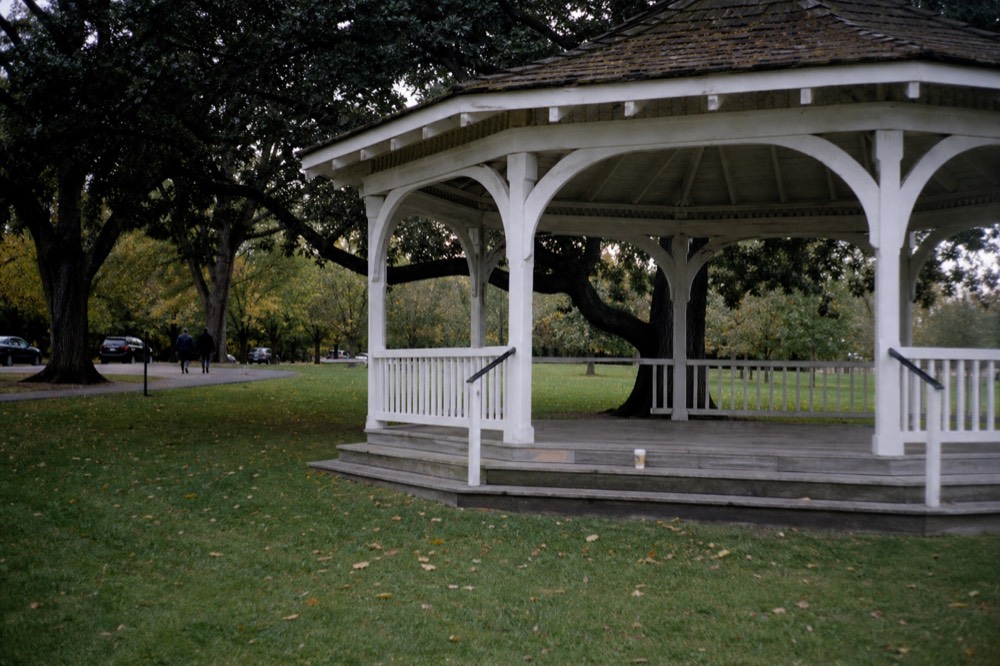
Yes, Sonoma Plaza is completely free to enter and walk: it is a public park and a National Historic Landmark, open to anyone, with no gate, ticket or admission of any kind, and it anchors a walkable downtown where browsing the surrounding tasting rooms, shops and historic adobes also costs nothing.
The plaza is the town's living room. People picnic on the grass, read under the trees and let kids run while tasting-room-hopping companions do their purchases nearby. It is also a working event space: the Tuesday Night Market sets up here in season, and community events fill the calendar through the year. None of that changes the basic fact that the square itself is public land.
What surrounds the plaza is where money starts and stops being optional. The Sonoma County visitor guide to the Plaza area counts more than two dozen tasting rooms and wine bars within easy walking distance, including names like Three Sticks Wines (in the historic Vallejo-Casteñada Adobe), Sojourn Cellars, Walt Wines, Bedrock Wine Co. and Pangloss Cellars. Walking past all of them, admiring the adobes and the 1902 buildings, costs nothing. Walking in and tasting does not.
If your free morning at the Plaza turns into wanting the full guided version of wine country, these are the three tours readers pair most often with a Plaza-based visit:
The join-in group tour is the one that picks up at hotels in Sonoma or Santa Rosa and visits three Sonoma County wineries, from $147.99 per person with tasting fees extra (checked September 2026). The walking pairing tour stays downtown and starts from $255 per person (checked September 2026). The open-air trolley runs about 6.5 hours from Sonoma Plaza with lunch included, price on the listing.
For readers planning a full trip around the Plaza rather than a single visit, our Sonoma wine country planning guide covers seasons, harvest timing and logistics, and our guide to the best tasting rooms on Sonoma Plaza goes deeper on the walkable wine scene.
Can you visit Sonoma State Historic Park without paying?
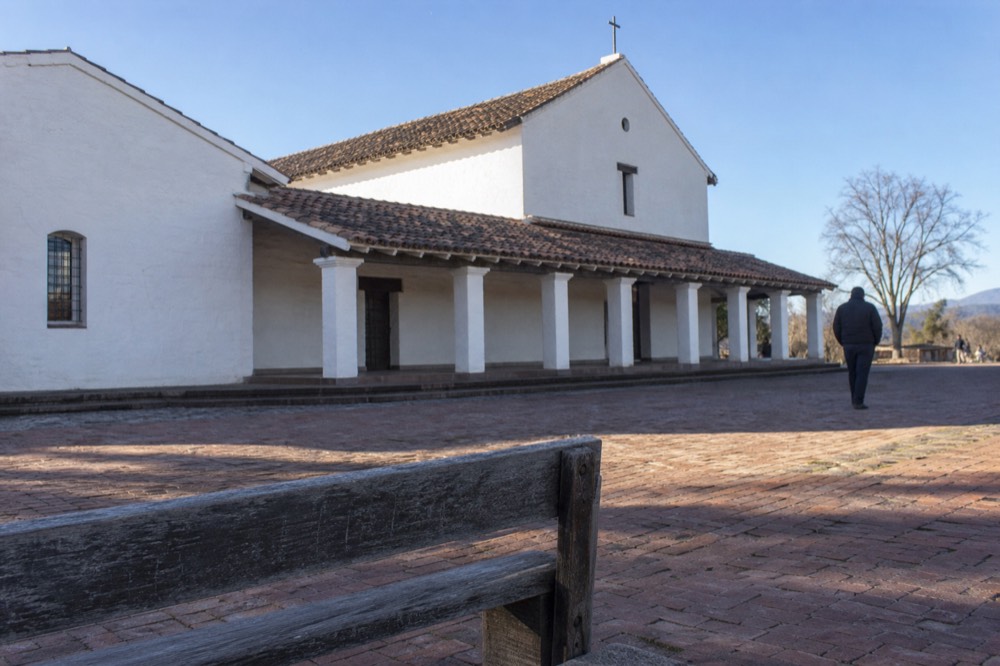
Yes, in part: the exterior grounds and historic building exteriors of Sonoma State Historic Park can be seen for free, while entering the interiors, such as Mission San Francisco Solano and the Sonoma Barracks exhibits, requires a paid admission or tour.
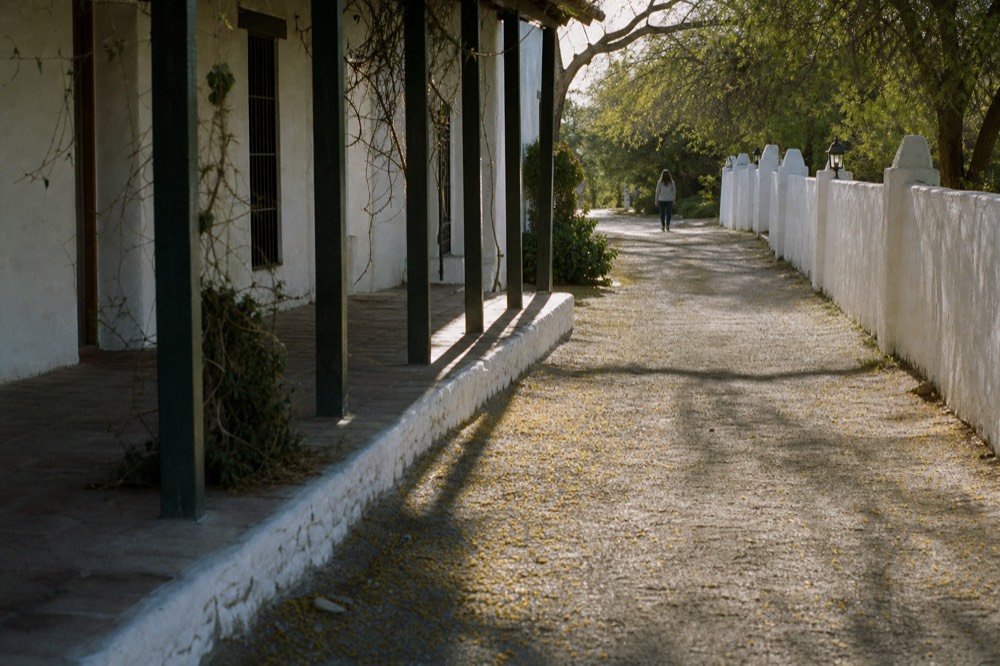
Sonoma State Historic Park is not one fenced property but a scattering of sites around the Plaza: Mission San Francisco Solano, the Sonoma Barracks, General Vallejo's home and related structures. California State Parks runs the sites, and the park service's own page describes the historic buildings, exhibits, guided tours and interpretive programs focused on early California, Mexican and American history. The mission is the northernmost of the California missions, and that fact alone makes the exterior worth a slow loop.
The free version of the visit is real and satisfying: walk the grounds, read the exterior signage, photograph the mission facade and the barracks, and take in the oldest public-architecture streetscape in the county. The paid version, interior exhibits and docent context, adds depth for a modest per-person fee, with details on current hours and pricing through the California State Parks site at parks.ca.gov.
This is the pattern for most "free history" in Sonoma: the town gives away the setting and charges for the interpretation. General Vallejo's home, a short walk from the Plaza, follows the same rule. If you are traveling with mixed interests, one person can do the interior tour while the other stays outside with the grounds and the photo opportunities, and nobody waits in a car.
When do the Sonoma farmers markets run?
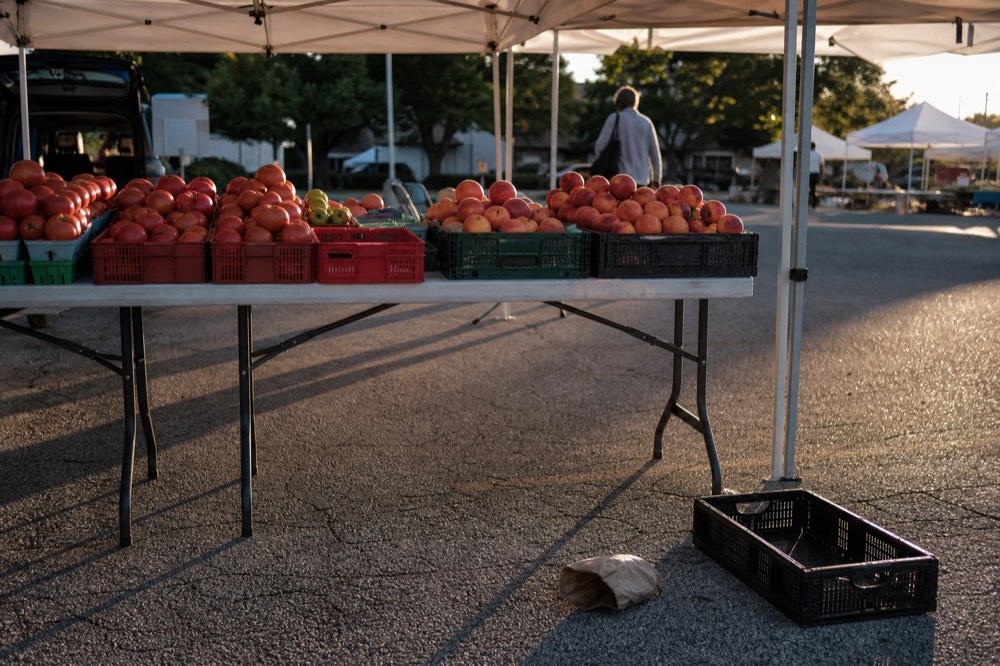
Sonoma's Tuesday Night Market runs May through September on Tuesday evenings on the Plaza, and the Sonoma Valley Certified Farmers Market runs year-round on Friday mornings, with both free to attend, so a well-timed trip can fold one or both into the itinerary at no cost.
The Tuesday Night Market is the more festive of the two: local produce, baked goods, artisans, live music and food trucks, with the community-outing feel of a small-town institution. Local reporting confirmed the 2026 season resumed May 5. It is free to wander, and the Plaza setting at dusk is one of the better free evenings in wine country. Food and crafts cost money, obviously, but the atmosphere, the music and the people-watching do not.
The Friday morning market is the practical one, year-round, and it is where locals actually shop. For a traveler it doubles as a free tasting of Sonoma's agricultural side: the county has more than 425 wineries but also a deep farm-and-orchard economy, and the Friday stalls show the non-wine half of it.
There is a third, quieter option. Sonoma Garden Park runs a Saturday Harvest Market in season, with produce, plants and garden goods, which pairs naturally with a garden visit (covered next). Dates and stall lineups shift, so check current schedules before building an itinerary around any single market day.
| Market | When | Where | Cost to attend |
|---|---|---|---|
| Tuesday Night Market | Tuesdays, May to September | Sonoma Plaza | Free |
| Sonoma Valley Certified Farmers Market | Friday mornings, year-round | Sonoma (check current location) | Free |
| Saturday Harvest Market | Saturdays, in season | Sonoma Garden Park | Free |
Market timing matters for trip planning more than visitors expect. A Tuesday arrival turns your first evening into a free event. A Friday departure lets you load up on bread, cheese and fruit for the drive home, which is a cheaper picnic than anything sold at a winery.
What is there to do at Sonoma Garden Park?
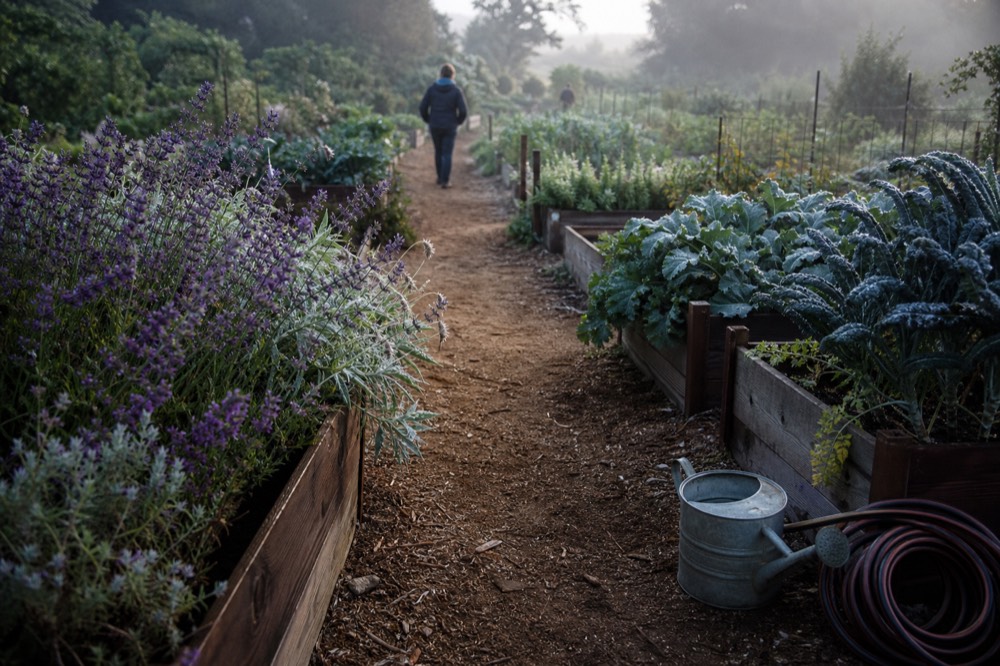
Sonoma Garden Park is a free public community garden in Sonoma with picnic areas, a labyrinth, plant sales and a seasonal Saturday Harvest Market, open during daylight hours, and it makes a quiet, no-cost stop a few minutes from the Plaza for travelers who want a slower pace between the louder attractions.
The garden is the low-key member of Sonoma's free-attraction roster. Run as a community project, it offers shaded benches, a labyrinth you can walk, raised beds and native plantings, and a generally unhurried atmosphere a few minutes from the Plaza bustle. Local coverage of its weekly harvest market and plant sales confirms it as a working garden rather than a manicured showpiece, which is part of the charm: you see Sonoma's gardening culture rather than a museum version of it.
Practically, the garden fills two trip-planning gaps. First, it is a free activity for anyone in your group who has hit their tasting-room limit, or for a morning when you want something quieter than the Plaza. Second, its plant sales and produce make it a legitimate stop rather than a filler: you can leave with a lemon tree or a jar of something, or with nothing at all.
Pair it with the Friday market or the Saturday Harvest Market and you have a free agricultural morning that balances the wine-heavy afternoons. Visitors who enjoy this side of the county often go on to explore the things to do in Sonoma beyond wine, which covers parks, historic sites and food in more detail.
Are there any free winery experiences in Sonoma?
Honestly, no: there is no reliable free wine tasting in Sonoma, with the median basic tasting fee around $40 (checked September 2026) and the average standard fee reported at $47 in a 2026 industry report (checked September 2026), though some wineries waive fees with bottle purchases.
This is the section where honesty matters more than optimism. Search results promising "free wine tasting in Sonoma" mostly describe two things: fee waivers with purchase, which mean you are spending $50 or more (checked September 2026) on a bottle to save a $40 fee, and old pre-2020 practices that have largely faded. Industry data from Wine Business Monthly's 2026 Tasting Room Survey Report, covered in the Press Democrat, put the median basic tasting at about $40 (checked September 2026) in Sonoma County, with elevated experiences at a median of $90. A Silicon Valley Bank report covering 2025 data found the average standard fee actually dropped $7 to $47, with about 30% of wineries lowering prices as traffic softened, so there is some downward pressure, but "free" is not on the menu.
What is genuinely free at wineries: walking many tasting-room patios and grounds when you arrive, asking questions at the bar before committing, and in some cases picnic grounds. Dry Creek Vineyard in Healdsburg, for example, is known for picnic grounds and bocce, and picnicking at a winery that allows it is a legitimate way to enjoy the scenery at zero cost while drinking the bottle you bought at the market.
The budget-realistic move is to accept that tastings are a paid experience and choose the format that fits. A half-day join-in group tour from $147.99 per person covers transport and three winery visits, with tasting fees extra (checked September 2026), and it is rated 4.9 across 160 reviews, a figure verified three independent times. That per-person price is often competitive with self-driving once you add tasting fees, fuel and the value of not calculating your own BAC between stops.
A cheaper structured option is the half-day trolley tasting tour with lunch, from $145 per person, rated 4.5 across 36 reviews (checked September 2026). And if you want the tasting experience without leaving downtown, the Sonoma Plaza food and wine pairing walking tour runs from $255 per person, rated 4.9 across 45 reviews (checked September 2026). None of these are free, but all of them convert the "free morning, paid afternoon" structure of a Sonoma day into a single decision.
What are the best free scenic drives around Sonoma?
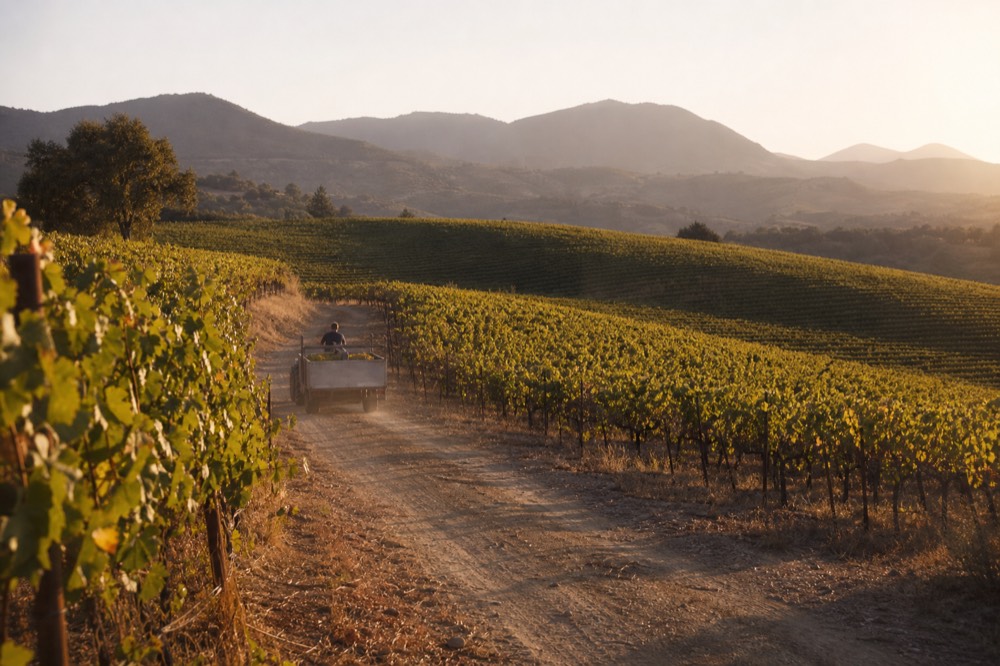
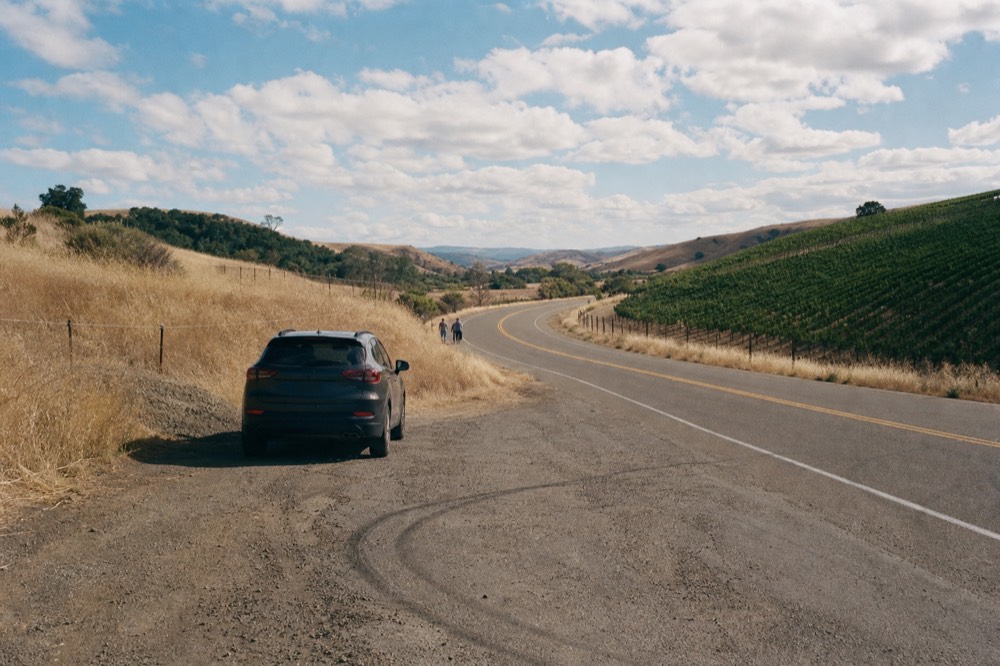
The best free drives from Sonoma are the Sonoma Valley run north along Highway 12 through Glen Ellen and Kenwood, the Mayacamas-facing back roads toward the Napa county line, and the roughly 14-mile, 20-to-24-minute hop into downtown Napa via CA-12.
Scenery is the free attraction Sonoma undersells. The valley floor between Sonoma and Kenwood is wall-to-wall vineyard with the Mayacamas range on one side, and you can drive it in under half an hour or stretch it into an afternoon of pullouts. Heading the other way, downtown Sonoma to downtown Napa is about 14 miles and typically 20 to 24 minutes, which makes a two-county sightseeing loop entirely reasonable even without tasting at both ends.
For a longer free day, the coast is within reach: Sonoma County's western edge includes Fort Ross and Sea Ranch country, and the county's own tourism materials flag the coastal wineries and drives near Annapolis as off the beaten path. The full loop is a commitment, but the ocean half of it costs nothing but fuel.
Distances worth knowing, all fixed geography rather than volatile figures:
| Route | Approximate distance | Typical drive time |
|---|---|---|
| Sonoma Plaza to downtown Napa | ~14 miles | 20-24 minutes |
| Sonoma to Santa Rosa | ~22 miles | 37-42 minutes |
| Sonoma to Healdsburg | ~45 miles | 54-55 minutes |
| San Francisco to Sonoma Plaza | ~44 miles | 55-60 minutes |
That last row explains a lot of Sonoma's day-trip traffic. The drive from San Francisco runs about an hour in normal conditions, though Friday afternoons and weekend peaks through Marin and the Highway 37 corridor can stretch it substantially. If you are doing the free-scenery version of Sonoma as a day trip from the city, leave early; the wine tours from San Francisco to Sonoma guide covers the timing tradeoffs in detail.
How do free activities fit into a wine-country budget?
Free activities can realistically cover half of a one- or two-day Sonoma itinerary: mornings at the Plaza, park grounds, markets or the garden cost nothing, while tastings, tours and meals carry the cost, with median basic tasting fees around $40 and elevated experiences at a median of $90 (checked September 2026).
The smart structure for a budget trip is to anchor the free things in the mornings and early afternoons, then spend deliberately on one or two paid experiences rather than spreading money thin. A concrete example: Tuesday, arrive, walk the Plaza and the mission grounds free, spend the evening at the free Tuesday Night Market with dinner from a food truck. Wednesday, market or garden in the morning, then one booked half-day tour in the afternoon. That is a full two-day trip with exactly one significant activity payment.
Context helps here too. Sonoma County tasting room traffic fell 8% in 2025, an improvement over the 14% drop in 2024, and roughly 30% of wineries lowered standard tasting fees in response. The visitor economy is softening slightly in visitors' favor, which is why comparing formats matters more than hunting for nonexistent free tastings.
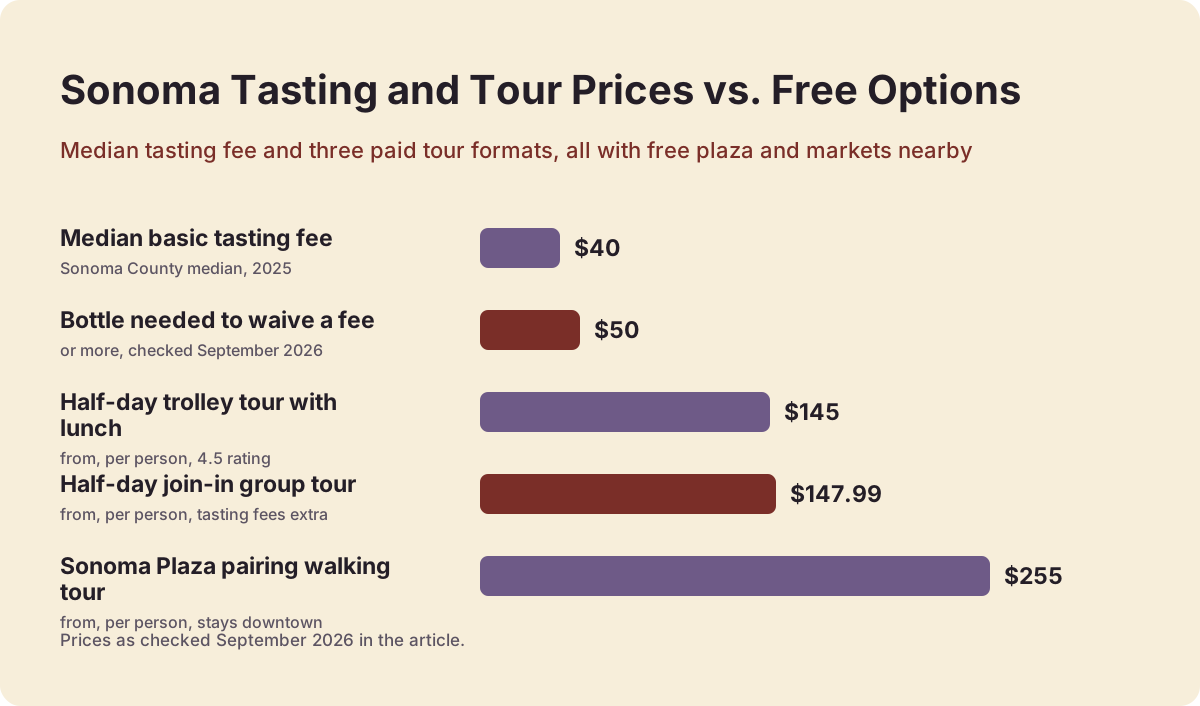
The comparison worth making is not free versus paid but unstructured versus guided. The self-guided versus booked Sonoma wine tours guide breaks this down, but the short version: self-guiding saves money only if you already know which wineries to book, and the consensus among travelers and Sonoma County Tourism alike is two to three wineries per day maximum, which is exactly the number most group tours hit.
For a walking-format alternative that includes food, the Healdsburg wine and food pairing walking tour is rated 4.9 across 419 reviews, the deepest review base of any walking tour in the region, from $149 (checked September 2026). It is a good illustration that "paid" does not have to mean "expensive."
Where should free plans end and a booked tour begin?
End the free portion of a Sonoma day when you want to taste wine, cover distance between wineries, or hand off the driving: that is the moment a booked tour, from about $145 to $148 per person for half-day group formats (checked September 2026), becomes the rational spend.
The free attractions in Sonoma are genuinely good, and this site, Sonoma Wine Tours, has no interest in pretending otherwise. But they share one limit: none of them involve wine, and wine is why most visitors are here. The handoff point is different for every traveler. For some it is the second day, when the Plaza has been walked and the market bags are in the car. For others it is the first afternoon.
The half-day trolley tasting tour with lunch, from $145 per person and rated 4.5 across 36 reviews (checked September 2026), is the format that most cleanly follows a free Plaza morning: it departs from Sonoma Plaza, includes lunch, and visits three or more wineries.
Whatever you choose, the same planning logic applies across the county. Two to three wineries a day, one sub-region per day, and a free anchor activity each morning is a formula that works for first-timers and repeat visitors alike. The free things in Sonoma are not a consolation prize for travelers on a budget; they are the frame that makes the paid parts worth booking.
If you are still shaping the overall trip, these three formats are the ones our readers book most often alongside a free-morning itinerary:
The short answer: Sonoma Plaza, the State Historic Park's exterior grounds, both weekly markets, Sonoma Garden Park and the area's scenic drives are all free, while wine tastings are not, with the median basic tasting fee around $40 (checked September 2026).
Common questions about free things to do in Sonoma
What can you actually do in Sonoma for free?
Sonoma Plaza, the exterior grounds of Sonoma State Historic Park, the Tuesday Night Market (May to September), the year-round Friday farmers market, Sonoma Garden Park, and the area's scenic drives are all free. Wine tastings are not free; the median basic tasting fee in Sonoma County is about $40 (checked September 2026).
Is Sonoma Plaza free to visit?
Yes. Sonoma Plaza is a public park and a National Historic Landmark with no gate, ticket or admission charge. The tasting rooms, shops and restaurants around it charge for their goods, but the square itself is free to everyone.
Can you visit Sonoma State Historic Park without paying?
Partly. The exterior grounds and building exteriors, including Mission San Francisco Solano's facade and the Sonoma Barracks, can be seen for free. Interior exhibits and guided tours require paid admission; check current hours through California State Parks.
Are there any free winery experiences in Sonoma?
Not reliably. The median basic tasting fee is around $40 and the average standard fee was reported at $47 in a 2026 industry report (checked September 2026). Some wineries waive fees with bottle purchases, but that practice is less common than before 2020. Walking grounds and picnic areas at wineries that allow it is the main genuinely free winery-adjacent activity.
When do the Sonoma farmers markets run?
The Tuesday Night Market runs Tuesdays from May through September on the Plaza, and the Sonoma Valley Certified Farmers Market runs Friday mornings year-round. Sonoma Garden Park also hosts a seasonal Saturday Harvest Market.
How far is Sonoma from San Francisco for a free day trip?
About 44 miles, typically 55 to 60 minutes in normal conditions via the Golden Gate Bridge and Highways 37 and 12. Friday afternoons and weekend peaks through Marin County can add substantial time, so early departures are the safer plan.