How many wineries should you visit in a day in Sonoma?
Real traveler consensus: 2-3 wineries per day is the sweet spot in Sonoma. Learn why and how to plan your wine tasting itinerary.
Sonoma County is home to more than 425 wineries spread across 19 AVAs, a span that makes it impossible to see everything in a single day. The county stretches roughly 1,576 square miles, with vineyard acreage exceeding 60,000 acres. Every visitor, from first-timers stepping onto Sonoma Plaza to repeat travelers chasing a specific appellation, faces the same question: how many stops can you realistically fit into a day of wine tasting without turning the experience into a checklist? The answer, backed by years of traveler feedback, forum discussions, and the advice of local tourism officials, is surprisingly consistent. And it directly shapes how the best guided tours plan their itineraries. Whether you're exploring on your own or booking through Sonoma Wine Tours, the rhythm of the day matters more than the number of wineries visited.
How many wineries should you visit in a day in Sonoma?
The consensus among seasoned travelers, local tourism officials, and everyday wine-country visitors is clear: two to three wineries per day is the sweet spot. Three to four is the practical maximum before palate fatigue, time pressure, and tasting-room rush set in. Sonoma County Tourism itself advises against a checklist mentality and recommends a maximum of 3–4 wineries per day, with most visitors finding deeper satisfaction in fewer stops.
The advice is rooted in simple logistics, but those logistics are easy to underestimate when you're staring at a map of 19 AVAs and more than 425 wineries. Most Sonoma tasting rooms open around 10 or 11 a.m. and close by 5 p.m. That gives you roughly six hours of usable tasting time, minus travel between stops. A typical tasting experience, including the pour itself, conversation with the staff, a walk through the grounds or barrel room, and time to browse the bottle shop, easily takes 60 to 90 minutes. If you're visiting a larger estate with gardens, a sculpture collection, or a food-pairing add-on, that number can stretch to two hours.
Travel between wineries consumes more time than most visitors expect. Sonoma County is not a compact valley with wineries lined up along a single road. The distance from Sonoma Plaza to Healdsburg is roughly 45 miles and takes about 54 minutes (checked September 2026). Even a shorter hop, say from Sonoma to Santa Rosa, is about 22 miles and 37 to 42 minutes. If you bounce between AVAs, you can easily spend two hours of your day in the car. Factor in a 45-minute lunch break, and even three wineries can feel like a full, satisfying day.
The table below breaks down how a realistic day unfolds by winery count, assuming a 10:30 a.m. start and a 5 p.m. finish.
| Wineries visited | Estimated time needed | Pacing notes |
|---|---|---|
| 2 | 4–5 hours | Relaxed, with room for a long lunch and spontaneous stops. Ideal for a half-day tour. |
| 3 | 5–6 hours | The ideal balance for most visitors; still feels unhurried. Leaves time for a sit-down lunch. |
| 4 | 6.5–7 hours | Doable but tighter; requires careful scheduling, short travel legs, and likely a quicker lunch. |
| 5+ | 8+ hours (often exceeds operating hours) | Rushed, with palate fatigue and a high risk of skipping pours or arriving after last call. |
Tasting fees add up quickly, too. Standard flights in Sonoma typically run $25–$75 per person, with a median around $40 (checked September 2026). Hitting four wineries could mean $100–$200+ per person in tasting fees alone before lunch, tips, or transport. The tours featured on this site are designed around the 2–3 winery sweet spot, with a guided pace that keeps the day enjoyable and the costs predictable.
What happens if you try to cram in more wineries?
Trying to visit more than four wineries in a single day often leads to palate fatigue, rushed tastings, and a checklist mentality that drains the enjoyment. Many tasting rooms close by 5 p.m., so you literally run out of time. Overdoing it also raises safety concerns for anyone driving themselves, which is why many visitors choose a guided tour with a designated driver who handles the roads.
Palate fatigue is a real, physiological phenomenon, not just a travel cliché. After three or four flights of four to six wines each, your ability to distinguish subtle flavors declines sharply. The experience can become mechanical, with each pour blurring into the last. Travelers on forums consistently describe days with five or six stops as "exhausting" and "more about the count than the wine." One Reddit comment frequently paraphrased in wine-country planning threads sums it up: "Two per day, three max. Any more feels like you're constantly checking the clock." Another common refrain: "Three can even be a stretch. Spend some time and learn."
The time math is unforgiving. If each winery visit takes 75 minutes door to door, and you need 30 minutes to drive between them, five wineries consume nearly nine hours of straight activity, not counting lunch. That pushes well past the 5 p.m. closing time for most tasting rooms. You'll either skip pours, skip lunch, or arrive at the last stop to find the staff already wiping down the bar.
Beyond the physical toll and the clock, the cost multiplies quickly. Standard tasting fees at $40 per winery (checked September 2026) mean $200 in fees alone for five stops. Premium experiences push that higher. The 2025 data from Wine Business Monthly's 2026 Tasting Room Survey Report showed that elevated tasting experiences in Sonoma County reached a median of $90, (checked September 2026) a 44% increase from the prior year. If you're mixing in reserve tastings, the daily total can easily exceed $300 per person.
Then there is the safety question. California's DUI threshold is 0.08% BAC, and even a modest number of pours over a few hours can push a driver close to or over that limit. A designated driver is the safest option, but that means one person in your group doesn't drink at all. For many visitors, the better solution is a join-in group tour, where a professional driver handles the roads and the winery visits are paced for enjoyment rather than a record count. The chauffeured van, SUV and trolley tours on this site operate under a California Public Utilities Commission charter-party carrier permit, with drivers who know the backroads and the winery schedules.
The Sonoma County Join-In Group Wine Tasting Tour, a half-day option that visits three wineries, is a perfect example of a tour that hits the sweet spot. With hotel pickup and a knowledgeable guide, it removes the driving risk and lets you enjoy each stop fully.
The Sonoma Valley Open-Air Wine Trolley Tour, another popular choice, follows a similar three-winery pace with the added charm of a replica cable car and a catered lunch. It's a fun way to see the valley without worrying about the logistics. Pricing is typically in the $135–$145 range on the listing (checked September 2026), and tasting fees are extra. The trolley departs from Sonoma Plaza and operates a roughly 6.5-hour route, which is exactly the kind of day that the 2–3 winery sweet spot describes.
How many wineries do guided tours typically visit?
Most small-group Sonoma wine tours, including the join-in tours featured on this site, visit three wineries over the course of a half-day or full-day itinerary. This alignment with the 2–3 winery sweet spot is deliberate: it maximizes enjoyment, allows for a relaxed pace, and includes a lunch break. The structure is not accidental; it reflects years of operator experience with what guests actually enjoy.
The Sonoma County Join-In Group Wine Tasting Tour is the site's highest-verified option, rated 4.9 across 160 reviews (checked September 2026). It departs from Sonoma or Santa Rosa, visits three wineries, and includes hotel pickup. The price is from $147.99 per person (checked September 2026), with tasting fees extra. That structure mirrors the sweet spot exactly: three stops, no rushing, and a guide who knows the backroads and often has relationships with the wineries that lead to a warmer welcome.
Another option, the Sonoma Wine Rides small-group tour, also visits three wineries but rotates among Alexander Valley, Dry Creek Valley, Russian River Valley, and Sonoma Valley depending on the day. It's an established local operator, newer to the platform listing, and priced from $148 per person (checked September 2026). The picnic lunch and hotel pickup across Sonoma County make it a full-service experience at the same 3-winery pace. The operator's real-world reputation is strong, with a 5.0 rating across 252 reviews on its own Google Business profile, though the platform listing itself is newer and carries fewer reviews.
For more on choosing between a guided tour and going it alone, see our self-guided vs. booked Sonoma wine tours comparison. If you're weighing the pros and cons of different operators, our best Sonoma wine tours guide has a curated list. And if this is your first trip, the Sonoma wine country planning guide covers timing, logistics, and what to expect.
How does the 2–3 winery sweet spot work for different Sonoma regions?
The 2–3 winery guideline holds across Sonoma County, but the specific pacing depends heavily on which sub-region you're exploring. In compact areas like Sonoma Plaza or downtown Healdsburg, you can walk between tasting rooms and fit in three stops easily. In the broader AVAs like Dry Creek Valley or Alexander Valley, driving distances between wineries eat up more time, making two stops a smarter choice for a relaxed afternoon.
Sonoma Plaza and its immediate surroundings host more than two dozen tasting rooms within walking distance. You can stroll from a historic adobe tasting room to a modern Pinot Noir bar in under five minutes, with lunch at a plaza-side restaurant in between. In this environment, three wineries in an afternoon feels leisurely, not rushed. The same is true of downtown Healdsburg, where roughly 40 tasting rooms cluster around the plaza and the intersecting blocks. You can easily visit three tasting rooms on foot, with time for a sit-down meal and a browse through the shops.
The broader AVAs are a different story. Dry Creek Valley stretches for roughly 16 miles along Dry Creek Road, with wineries spaced several minutes apart by car. Alexander Valley wineries line Highway 128 over a similar distance. In these settings, even two wineries can fill a half-day, especially if you're stopping at a larger estate with gardens, a tour, or a seated tasting. The Russian River Valley, with its winding roads and widely spaced producers, demands similar pacing.
The table below compares the practical maximum for different Sonoma regions, assuming a 10:30 a.m. start and a 5 p.m. finish.
| Region | Walkable concentration | Practical wineries (half-day) | Notes |
|---|---|---|---|
| Sonoma Plaza | Yes, 25+ tasting rooms | 3–4 | Walking distance; no car needed. Easy to fit in lunch. |
| Downtown Healdsburg | Yes, ~40 tasting rooms | 3–4 | Very walkable; mix of tasting rooms and restaurants on the plaza. |
| Dry Creek Valley | No | 2–3 | Driving required; wineries spaced along a 16-mile road. |
| Alexander Valley | No | 2–3 | Driving required; wineries along Highway 128. |
| Russian River Valley | No | 2–3 | Winding roads; wineries more spread out than Dry Creek or Alexander. |
| Sonoma Valley (general) | No | 2–3 | Varied terrain; some wineries clustered near the town, others farther out. |
The guided tours on this site are built to handle the logistics of the broader AVAs. The Sonoma Wine Rides small-group tour, for example, rotates among Alexander Valley, Dry Creek Valley, Russian River Valley, and Sonoma Valley, with the guide choosing wineries that are close enough together to keep travel time short. The trolley tour stays within Sonoma Valley, where wineries are more concentrated. Both tours visit three wineries, which is the maximum that makes sense when a vehicle is involved.
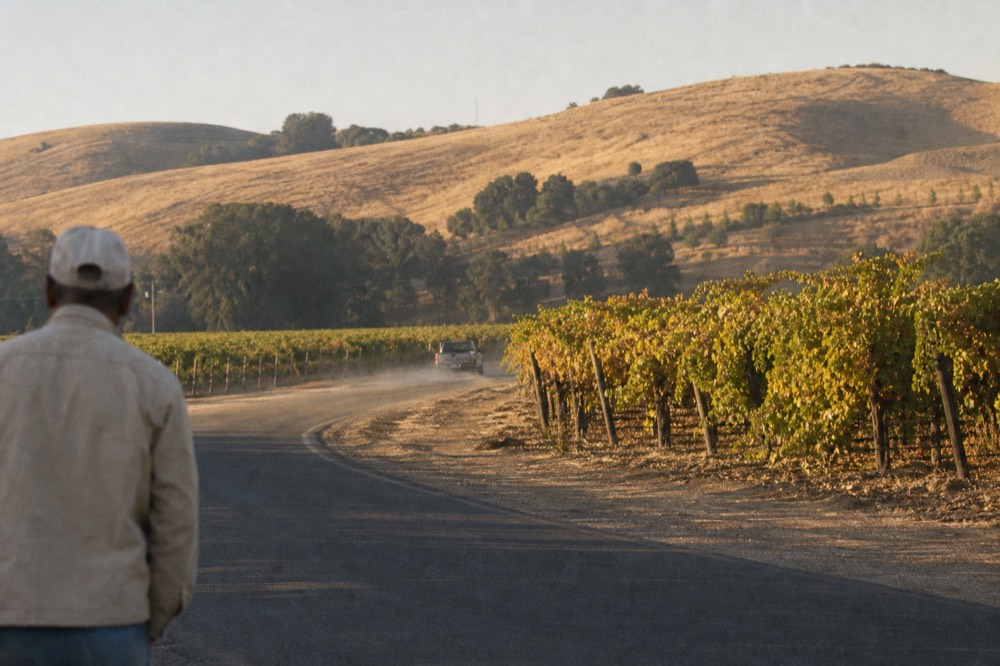
Regardless of how you choose to explore, the key takeaway is that a slower, more intentional pace leads to a richer wine country experience. The tours featured here are built around that principle, giving you three wineries, a comfortable vehicle, and a guide who knows the backroads. If you're still unsure whether a guided tour makes sense for your trip, the are winery tours worth it guide breaks down the value proposition in detail.
The most common questions about pacing a Sonoma wine tasting day center on how many stops to make, what the costs look like, and whether guided tours offer a better experience than going it alone. Here are the answers based on real traveler experiences, current data, and the consensus from wine country forums and tourism officials.
Common questions about how many wineries to visit in Sonoma
How many wineries should you visit in a day in Sonoma?
The sweet spot is 2–3 wineries per day. Sonoma County Tourism advises a maximum of 3–4 to avoid a checklist mentality. Three wineries allows a relaxed pace, time for a sit-down lunch, and the ability to enjoy each stop without rushing. The guided tours on this site are all built around this 3-winery structure.
What is the average cost of a wine tasting in Sonoma?
Standard tasting fees typically range from $25 to $75 per person, with a median around $40 (checked September 2026). Premium and reserve experiences can cost $50–$100+ per person. Many wineries waive the tasting fee with a bottle purchase, though this practice is less universal than it was before 2020. Tipping is customary, typically $5–$15 per person (checked September 2026) or 15–20% of the tasting fee.
How many wineries can you visit in a day in Napa?
Napa is more compact than Sonoma, but the same 2–3 winery guideline applies. Travel times are shorter, but tasting fees are higher, with a median of $75 for basic flights in 2025 (checked September 2026). The cost can climb faster, and reservations are more rigidly enforced. The short 14-mile drive between downtown Sonoma and downtown Napa makes it possible to combine both regions in a single day, but that usually means fewer stops in each.
Can you walk to wineries in Sonoma?
Yes, around Sonoma Plaza you can walk to more than two dozen tasting rooms, from historic adobe settings to modern wine bars. Downtown Healdsburg has roughly 40 walkable tasting rooms around its plaza. For wineries outside town centers, a car or guided tour is necessary. For more on walkable areas, see our guide to the best tasting rooms on Sonoma Plaza.
How many wineries do guided tours visit?
Most small-group tours in Sonoma visit three wineries over a half-day or full-day itinerary. That aligns with the 2–3 winery sweet spot recommended by experienced travelers and tourism officials. The tours featured on this site all follow this structure, with a guide handling the driving and winery reservations.
Is it better to do a half-day or full-day wine tour?
A half-day tour, typically 4–5 hours and visiting 2–3 wineries, is ideal for most visitors. It leaves the afternoon free for exploring a town plaza, having dinner, or relaxing. A full-day tour, around 6–8 hours, may visit 3–4 wineries with a longer lunch, but it can feel long. The half-day Join-In Group Wine Tasting Tour on this site is a popular choice for hitting the sweet spot without overcommitting the day.