Best Wineries in Sonoma County to Visit This Year
Sonoma County holds more than 425 wineries across 19 AVAs, so 'best' depends on where you are standing and what you want to taste. This guide sorts the standouts by sub-region, budget and format, using the newest published lists and tasting-fee data rather than recycled top-ten filler.
Short answer
The strongest 2026 consensus picks are The Donum Estate for grounds, A. Rafanelli and Ridge Lytton Springs for Dry Creek reds, Williams Selyem and Emeritus for Russian River Pinot Noir, Buena Vista for history, and Skipstone and Hamel among the newest SF Chronicle additions. Median tasting fees run near $40 (checked September 2026).
Sonoma County poured its way to 425-plus wineries and 19 distinct AVAs, and no single list captures all of them. The San Francisco Chronicle refreshed its top-24 Sonoma County wineries ranking on August 4–5, 2026, while Sonoma County Tourism tracked a tasting room market where traffic dipped 8 percent in 2025 but the median basic tasting held near $40 (checked September 2026). Those two datasets, critics and commerce, are the backbone of this guide. What follows sorts the best wineries to visit by region and by what you actually want from a day: scenery, serious Pinot, walkable tasting rooms, or a first taste of the county without planning a thing. This is Sonoma Wine Tours, and every figure here traces back to a published 2025–2026 source rather than a memory of a visit.
What are the best wineries to visit in Sonoma County?
The most reliably praised wineries right now are The Donum Estate, A. Rafanelli, Ridge Vineyards at Lytton Springs, Williams Selyem, Kunde Family Winery, Buena Vista, and Hamel Family Wines, with Skipstone, Arnot-Roberts, Marietta and Mascarin as the newest critics' additions for 2026. Each earned its place on either the Chronicle's updated list or repeated 2025–2026 travel coverage, and together they cover every major sub-region.
The county's scale is the first thing to understand. At roughly 1,576 square miles, with vineyards covering only about 6 percent of the land, Sonoma is nearly twice the size of Napa County and grows around 60 grape varieties. That is why a useful 'best' list has to be regional: a Russian River Pinot producer and an Alexander Valley Bordeaux-style estate can both be world class while sitting an hour's drive apart. Sonoma County Tourism's award-winning wineries overview is the official anchor for the counts above, and it is worth reading alongside any critics' list.
Here is the short version of the strongest names, region by region:
| Winery | Sub-region | Known for | Why visit now |
|---|---|---|---|
| The Donum Estate | Carneros | Outdoor sculpture collection, guided estate walks | Recurring standout in 2025 architecture and beauty coverage |
| A. Rafanelli Winery | Dry Creek Valley | Family-run, traditional reds | Unchanged for decades; on the Chronicle's 2026 list |
| Ridge Vineyards, Lytton Springs | Dry Creek Valley | Historic old-vine Zinfandel field blends | Repeatedly cited in 2025–2026 guides |
| Williams Selyem | Russian River Valley | Pioneering Pinot Noir | Consistent top-tier mentions |
| Skipstone | Alexander Valley area | Bordeaux-style wines | New 2026 Chronicle addition |
| Hamel Family Wines | Sonoma Valley | Mayacamas views, glass-walled tasting room | Named in both 2026 lists and beauty guides |
| Buena Vista | Sonoma | One of California's oldest wineries | Historic estate experience |
| Marietta | Sonoma area | Tasting room in a former police station | Opened around 2025; 2026 Chronicle addition |
Which Sonoma wineries made the newest critics' lists?
The San Francisco Chronicle's refreshed top-24, published August 4–5, 2026, added Skipstone, Hamel, Arnot-Roberts, Marietta and Mascarin, while keeping names like A. Rafanelli. The through-line of the new additions is diversity: sprawling estates, urban tasting rooms, rustic barns, and a creekside hideout, spread deliberately across sub-regions.
Reading the additions tells you where the county is heading. Arnot-Roberts pours no-frills, minimal-intervention wines from an industrial space, about as far from a chandeliered salon as a tasting room gets. Marietta moved into a former police station. Mascarin sits creekside. The Chronicle's full 2026 project page is the primary source, and it is a better planning document than most roundup posts because it explains why each winery earned a slot rather than just naming it.
Beyond the new names, the 2025–2026 secondary coverage keeps returning to the same core: Williams Selyem for Russian River Pinot, Ridge Lytton Springs for old-vine Zinfandel, St. Francis for food pairings and mountain views, Buena Vista for history, Kunde for mountaintop tastings, and Emeritus for Pinot on Goldridge soil. If you only have one day, that second tier is arguably more useful than the marquee list, because several of them take reservations more easily and are clustered near Sonoma Valley roads you would drive anyway.
One structural point that most first-time visitors miss: the county's critics' lists and its tourism data measure different things, and they occasionally disagree. The Chronicle rewards wine quality and distinctiveness, so a converted industrial space with no view can rank above a manicured estate. The tourism data, by contrast, tracks where visitors actually spend, which skews toward the scenic and the walkable. A smart trip uses both: critics' picks for the destination wineries, traffic patterns for timing, since an 8 percent decline in tasting room visits means the midweek experience at even famous rooms is calmer than it was two years ago.
Planning a day around several of these? Three bookable formats cover the most-visited ground without you needing to schedule every stop:
What do tastings cost at the best Sonoma wineries?
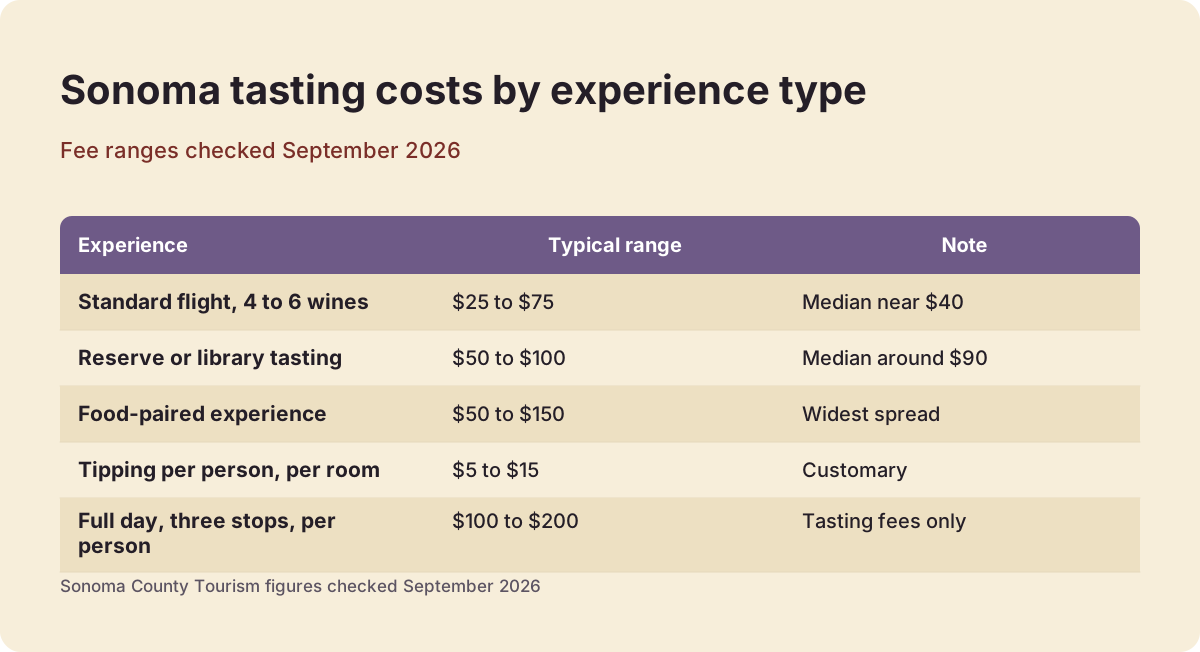
Expect to pay $25 to $75 for a standard tasting, with the median near $40 and an average around $47 (all checked September 2026). Reserve, library and paired experiences run $50 to $150, with the median elevated experience at about $90 (checked September 2026). Roughly a third of wineries cut their standard fee in 2025, so the room's current posted price matters more than any blog number.
One concrete example from the newest coverage: Arnot-Roberts charges $25 for a tasting (checked September 2026), among the lower figures for a winery on a major critics' list. Other stops commonly sit in the $30 to $45 range, and many waive the fee with a bottle purchase or club sign-up, a practice that is less universal than it was before 2020 but still common. Treat every fee here as a planning range and confirm the room's current price when you book. The Press Democrat's May 2026 report covers the fee and traffic shifts in detail.
| Experience type | Typical Sonoma range | Notes |
|---|---|---|
| Standard flight, 4–6 wines | $25–$75 (checked September 2026) | Median near $40; average about $47 |
| Reserve or library tasting | $50–$100 (checked September 2026) | Median elevated experience around $90 |
| Food-paired experience | $50–$150 (checked September 2026) | Widest spread; estate restaurants sit at the top |
| Fee waiver | Varies | Often with purchase or club signup; ask |
Budget a full day of three stops at roughly $100 to $200 per person in tasting fees alone, before transport, food and tips. Tipping $5 to $15 per person (checked September 2026) per tasting room is customary, and at higher-end rooms the norm leans toward the top of that band. Note too that the fee schedule is not symmetric across the county: rooms in and around Healdsburg and the estate experiences in Carneros tend to sit above the median, while small-production rooms in Glen Ellen, Sebastopol and Windsor often undercut it. That spread is one reason a hidden-gem itinerary can cost half of a marquee-estate itinerary for the same number of pours.
If comparing wineries before committing sounds like homework, this is the one decision a group tour removes:
Which Sonoma wineries are the most beautiful?
The Donum Estate is the most cited 'beautiful' winery in 2025–2026 sources, thanks to a sculpture collection including Ai Weiwei, Yayoi Kusama and Keith Haring set in regenerative vineyards. Aperture Cellars runs second on architecture alone, with a deconstructed camera-lens building by Signum Architecture. Hamel, Kunde, Matanzas Creek, J Vineyards and Ledson round out the recurring photogenic list.
There is no single consensus prettiest, and that is worth saying plainly. What the sources agree on is a cluster. Donum's grounds made Architectural Digest's July 2025 Napa-and-Sonoma beauty feature, as did Aperture's lens-shaped building. Kunde Family Winery brings rolling hills, a lake, olive groves and a native garden. Matanzas Creek is the lavender play, with three acres of it. Ledson is the castle-and-topiary pick. Benziger gets mentioned for family-friendly green practices in Glen Ellen.
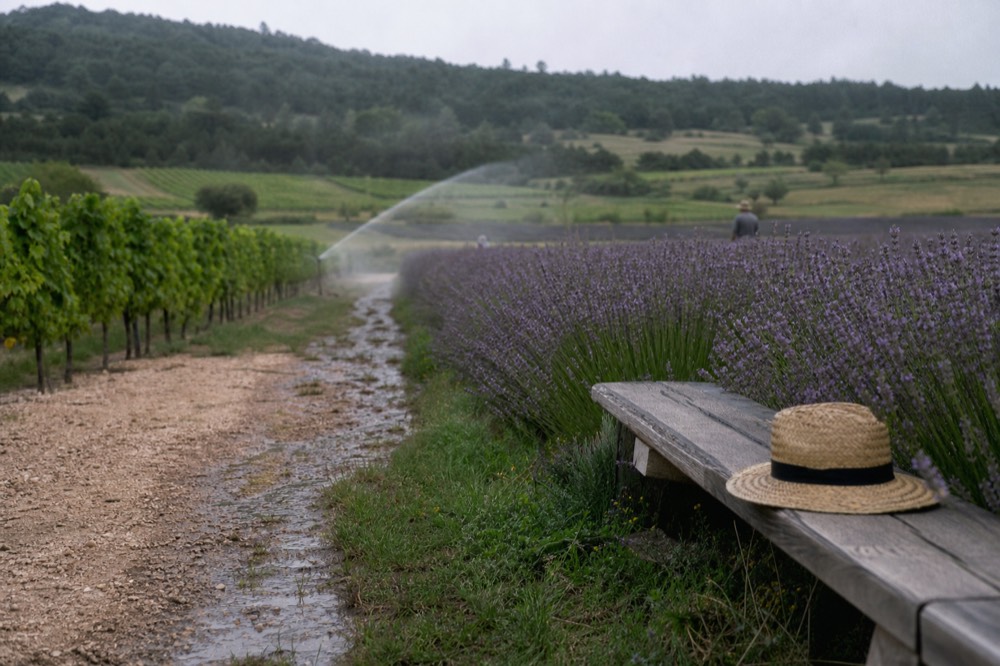
Practical note: the most photogenic estates are usually the ones requiring a booked, guided experience rather than a walk-in pour, and those are exactly the tastings where the elevated-experience pricing applies. A garden-first itinerary costs more per stop than a tasting-room-first one. If beauty is the priority, pick two estates and give each a full morning or afternoon rather than squeezing four. For a deeper cut on the scenery question, our most beautiful wineries in Sonoma roundup expands on gardens, architecture and viewpoints across the county.
What are the best tasting rooms on Sonoma Plaza?
More than two dozen tasting rooms and wine bars sit within walking distance of Sonoma Plaza. The standout names are Corner 103, Three Sticks in the historic Vallejo-Casteñada Adobe, Walt Wines, Sojourn Cellars, Sigh for sparkling, Bedrock Wine Co. off a hidden walkway, and Patz & Hall, whose bungalow room opened spring 2026.
The Plaza is the county's densest walkable wine scene, and it changes fast enough that even a 2024 article is stale. Auteur Wines has operated a Plaza-area bungalow since 2012, but its bigger news is the hilltop Russian River Estate pavilion opened April 2025. Sonoma County Tourism's Plaza tasting guide tracks the current inventory, and a September 2025 map of the area adds Sosie, Fulcrum and Highway 12 Winery to the cluster.
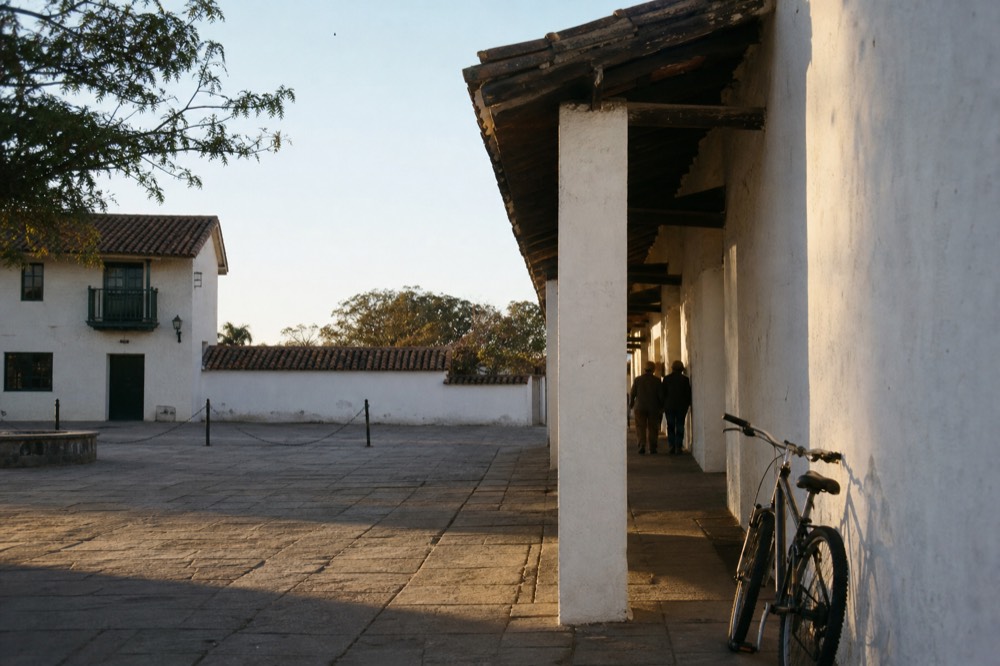
For a first visit, the Plaza solves three problems at once: no driving between stops, walk-in feasibility midweek, and a concentration of terroir-driven producers rather than one corporate portfolio. The trade-off is depth. You are tasting downtown rooms, not estate vineyards, so pair a Plaza afternoon with one countryside estate to see both sides of Sonoma. If you want that structure handled for you, a food-and-wine pairing walk of downtown Sonoma runs from about $255 per person (checked September 2026), with three or more paired stops. Our best tasting rooms on Sonoma Plaza guide walks the full room-by-room list.
Which wineries are best near Healdsburg?
Around Healdsburg the strongest names are Jordan Vineyard & Winery in Alexander Valley, Dry Creek Vineyard, MacRostie in the Russian River Valley, Auteur's new hilltop estate, and A. Rafanelli in Dry Creek. Healdsburg itself sits at the convergence of those three AVAs, with roughly 40 tasting rooms walkable from its plaza.
That geography is the whole argument for basing yourself in Healdsburg: cool-climate Russian River Pinot Noir and Chardonnay, Dry Creek Zinfandel, and Alexander Valley Cabernet within a short drive of one town square. Dry Creek Vineyard, a 50-plus-year family operation, swept local 'Best of Healdsburg' awards in 2025 for its tasting room, Sauvignon Blanc and Rosé. Auteur's Russian River Estate opened April 2025 with 50-foot windows over vineyard and forest. MacRostie delivers the hilltop panorama from its estate house.
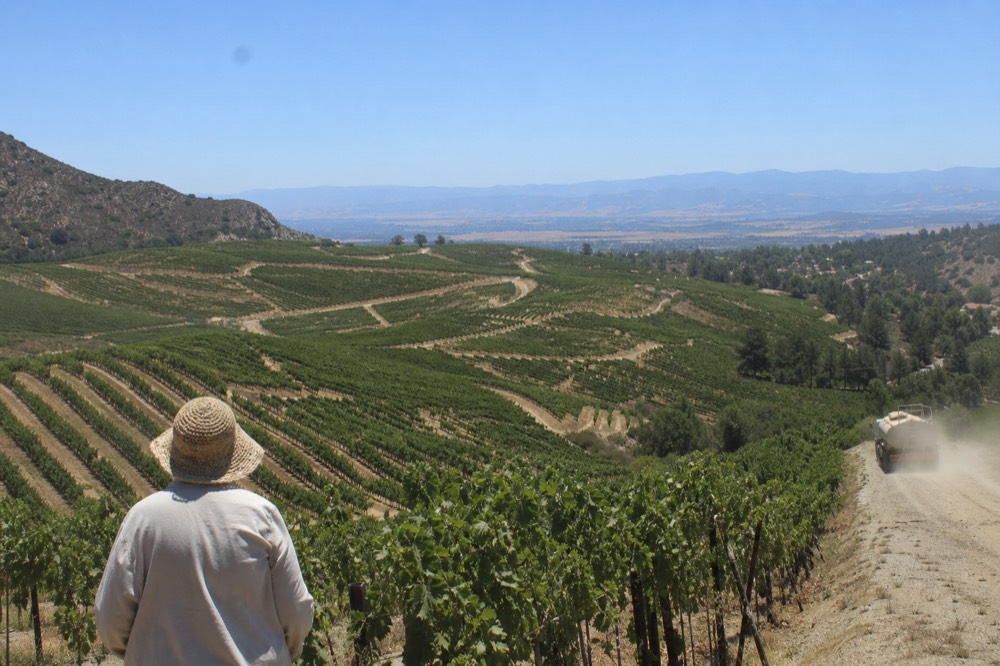
The town itself is walkable enough that you can skip driving for an entire afternoon. A guided food-and-wine pairing walk of downtown Healdsburg, rated 4.9 across 419 reviews (checked September 2026), runs from $149 per person (checked September 2026) and has the deepest review base of any walking tour in the region. Book it for an arrival-day evening and save the estate visits for a sober morning.
What are the hidden-gem wineries most visitors miss?
The under-the-radar names in 2025–2026 coverage are Passagio in Glen Ellen, Horse & Plow in Sebastopol, Two Shepherds in Windsor, Idlewild in Healdsburg, Annapolis on the coast, and Extradimensional Wine Co., each a small-production room that trades on intimacy rather than views or awards.
Forbes' March 2025 piece on California's hidden Sonoma gems drove most of this list, and the pattern across the names is personality: Passagio is dog-friendly with crisp whites, Horse & Plow pours organic wines and cider in a garden, Idlewild does Italian varietals in an intimate Plaza-adjacent room, and Annapolis is a genuinely coastal, small-production stop near the far northwestern edge of the county. None of these will appear on a top-24 list, which is precisely the point.
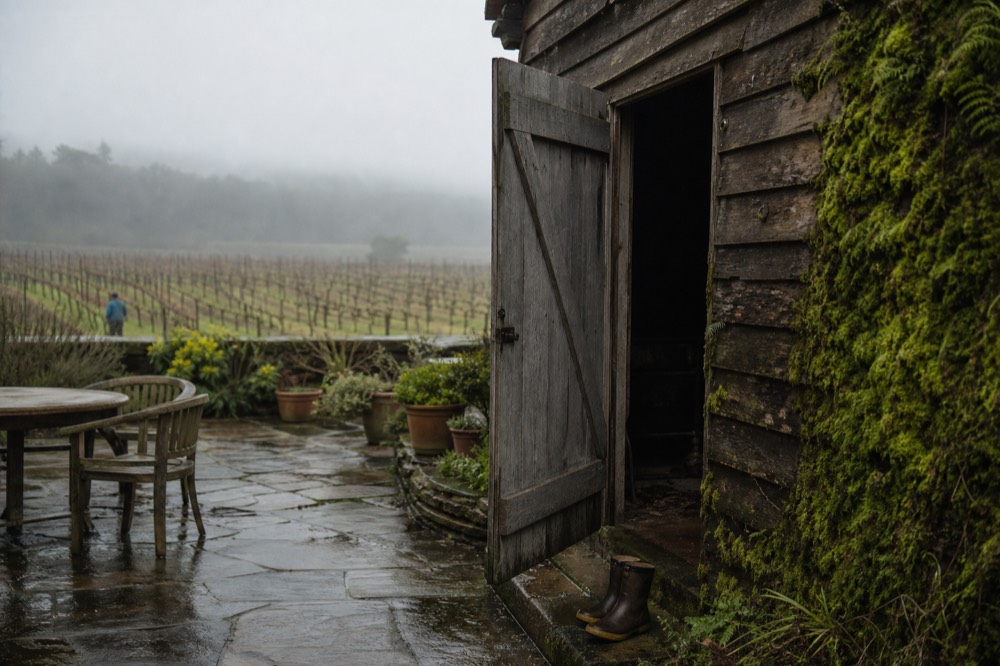
Hidden gems reward the traveler who slows down, and they punish the itinerary-stackers. Two of these in a day, unhurried, beats five marquee estates. The other advantage is conversation: at a room pouring a few thousand cases a year, the person behind the bar is often the person who made the wine, and there is no premium-fee gate between you and them. If you are staying in Sonoma or Santa Rosa and would rather someone else route you toward small producers, an established Sonoma Valley operator running a small-group join-in tour covers Alexander Valley, Dry Creek, Russian River and Sonoma Valley stops with a picnic lunch and hotel pickup, from $148 per person (checked September 2026).
How many of the best wineries can you visit in a day?
Two to three wineries per day is the practical sweet spot, with three to four the accepted maximum. Sonoma County Tourism itself advises capping at three to four to avoid a checklist day, and the county's winding roads mean a five-stop plan spends more time driving than tasting.
Palate fatigue is the real constraint, not logistics. The consistent forum and traveler consensus in 2025–2026 threads is that past three stops, you are checking a clock rather than asking about a wine. Focus on one sub-region per day: Sonoma Valley one day, Dry Creek and Healdsburg another, Russian River or the coast a third. That also minimizes the driving that makes a tasting day tiring in the first place.
| Day shape | Stops | Trade-off |
|---|---|---|
| Estate day | 2 large wineries | Deep experiences, higher fees, reservations required |
| Tasting-room crawl | 3–5 Plaza or Healdsburg rooms | Cheap, walkable, no vineyard context |
| Mixed day | 1 estate + 2 town rooms | Best balance for most first-timers |
| Hidden-gem day | 2 small producers | Intimacy and conversation over polish |
If you would rather not build this yourself, the county's flagship join-in format is the Sonoma County Join-In Group Wine Tasting Tour, rated 4.9 across 160 reviews (checked September 2026), from $147.99 per person (checked September 2026) with hotel pickup in Sonoma or Santa Rosa and three wineries included, tasting fees extra. Read our Sonoma Valley wine trolley guide if the open-air format appeals, and start with the Sonoma wine country planning guide for seasonality and logistics. Check availability
When is the best time to visit the best Sonoma wineries?
Harvest runs August through October, with 2026 one of the earliest crushes on record and activity starting in late July in Alexander and Russian River. Late June to mid-September is the reliable warm-weather window, February brings mustard blooms, and November through April is the rainy, quiet, cheapest season.
Crush season is the dramatic choice: working wineries, crush pads, fermenting aromas, and busier tasting rooms. The 2026 harvest was notably early, with reports from July 2026 in Alexander Valley and Russian River, so a September visit this year lands mid-season rather than ahead of it. The trade-offs are crowds and, in peak fire-risk months from late August to mid-October, occasional air-quality days, so keep an itinerary flexible. A backup plan matters here: know which of your stops are town tasting rooms, since those keep pouring on days when hillside estates close or feel unappealing.
For value and calm, the November-to-April rainy season is underrated: fewer visitors, since county tasting traffic already declined 8 percent in 2025, and rooms at off-peak rates. Mustard bloom in late winter paints the vineyards yellow and costs nothing to view. Whatever window you pick, the tour formats below hold their schedules year-round:
The most common questions about Sonoma's best wineries center on cost, beauty and pace: tastings run $25 to $75 (checked September 2026) with a median near $40, Donum and Aperture lead the beauty lists, and two to three wineries per day is the practical cap. The answers below cover each of those with the current figures.
Common questions about the best Sonoma wineries
What is the best winery in Sonoma County?
There is no single winner, but the most defensible 2026 picks are The Donum Estate for grounds, A. Rafanelli and Ridge Lytton Springs for Dry Creek reds, Williams Selyem for Russian River Pinot Noir, and Skipstone and Hamel among the newest critics' additions. Match the winery to your region rather than chasing one name.
How much does a tasting cost at the best Sonoma wineries?
Standard tastings run $25 to $75 with a median near $40 (checked September 2026). Reserve and paired experiences typically cost $50 to $150. About 30 percent of wineries lowered their standard fee in 2025, so check the room's current posted price.
Which Sonoma wineries are the prettiest?
The Donum Estate, with its outdoor sculpture collection, and Aperture Cellars, with its camera-lens architecture, lead the 2025–2026 beauty coverage. Hamel Family Wines, Kunde, Matanzas Creek, J Vineyards and Ledson are the recurring runners-up.
Can you walk to wineries in Sonoma?
Yes, around Sonoma Plaza and downtown Healdsburg. More than two dozen tasting rooms sit within walking distance of Sonoma Plaza, and Healdsburg has roughly 40 rooms near its own square. Estate wineries require a car or a tour.
How many Sonoma wineries should you visit in one day?
Two to three is the sweet spot, three to four the maximum. Sonoma County Tourism advises capping there to avoid a checklist day, and focusing on one sub-region per day keeps driving manageable.
Do you need reservations for Sonoma winery tastings?
For the best-known estates, yes, often weeks ahead in peak season. Town tasting rooms around Sonoma Plaza and Healdsburg are more walk-in friendly, especially midweek. Group tours handle reservations for the stops they include.